![What Does ㅠㅠㅠㅠ Mean in Korean? [English]](/_next/image?url=https%3A%2F%2Fcdn.sanity.io%2Fimages%2F147z5m2d%2Fproduction%2F4bca0aa84e491767bea5b03e5dd186fd7d01129c-2240x1260.png&w=3840&q=75)
The Korean character "ㅠ" repeated multiple times has become ubiquitous across digital platforms, yet its meaning remains opaque to non-Korean speakers. This seemingly simple symbol carries profound emotional weight in Korean digital communication, representing one of the most fundamental expressions of human emotion: crying.
Understanding ㅠㅠㅠㅠ matters because Korean digital culture has significantly influenced global online communication patterns. With K-pop, K-dramas, and Korean gaming dominating international entertainment, millions encounter these symbols daily without grasping their emotional significance. This knowledge gap creates barriers to authentic cross-cultural digital interaction.
The Foundational Meaning of ㅠㅠㅠㅠ
ㅠㅠㅠㅠ phonetically represents crying sounds in Korean. The character "ㅠ" (yu) mimics the wailing sound humans make when sobbing, similar to how "boo-hoo" functions in English. The repetition intensifies the emotional expression, with more characters indicating deeper distress or more dramatic crying.
This emoticon emerged from Korea's unique writing system, Hangul, where individual letters can function as standalone expressions. Unlike Western emoticons that combine multiple characters to create facial representations (:( or ;_;), Korean digital culture leveraged single Hangul characters to convey complex emotions efficiently.
The practical application extends beyond literal crying. Korean users deploy ㅠㅠㅠㅠ to express disappointment, frustration, empathy, or even playful dramatics. Context determines whether the crying represents genuine distress or theatrical exaggeration.
Decoding the Intensity: Why Multiple ㅠ Characters Matter
The number of ㅠ characters directly correlates with emotional intensity, creating a nuanced communication system that Western emoticons cannot replicate with similar precision.
A single ㅠ suggests mild disappointment or brief sadness. Two characters (ㅠㅠ) indicate moderate distress, commonly used when expressing minor frustrations like missing a bus or failing a quiz. Three characters (ㅠㅠㅠ) escalate to significant emotional impact, appropriate for more serious disappointments like job rejections or relationship issues.
Four or more characters (ㅠㅠㅠㅠ) represent intense emotional states. This level typically accompanies major life events, devastating news, or extreme frustration. However, the digital context often involves playful exaggeration, where users employ excessive repetition for comedic effect rather than genuine despair.
Korean digital natives understand these subtle gradations intuitively, adjusting their character count based on the situation's gravity and their relationship with the recipient. This precision explains why ㅠㅠㅠㅠ has maintained relevance despite newer emoji alternatives.
Visual Representation: How ㅠ Resembles Tears
The character ㅠ's visual design reinforces its emotional meaning. The vertical line represents a streaming tear, while the horizontal lines beneath suggest the face from which tears fall. This visual metaphor creates immediate recognition, even for those unfamiliar with Korean language structures.
This design philosophy reflects Korean culture's emphasis on visual harmony and symbolic representation. Traditional Korean art often employs minimal lines to convey maximum meaning, and ㅠㅠㅠㅠ continues this aesthetic tradition in digital spaces.
The character's simplicity enables rapid typing while maintaining emotional clarity. Users can quickly express complex feelings without searching through emoji menus or constructing elaborate emoticon combinations. This efficiency has contributed significantly to its widespread adoption across Korean digital platforms.
Cultural Context: Korean Emotional Expression Online
Korean digital communication culture emphasizes emotional transparency and community empathy. ㅠㅠㅠㅠ facilitates this cultural value by providing an accessible method for expressing vulnerability and seeking support.
Traditional Korean society often discourages direct emotional expression, particularly negative emotions. Digital platforms created safe spaces where individuals could express feelings through symbols like ㅠㅠㅠㅠ without violating social norms around emotional restraint.
This cultural dynamic explains why ㅠㅠㅠㅠ evolved beyond simple crying representation. It became a tool for building digital community bonds, allowing users to acknowledge shared struggles and offer implicit support through recognition of emotional states.
The symbol's popularity also reflects Korean digital culture's preference for compact, efficient communication. Korean internet users pioneered numerous abbreviated expressions and symbolic communication methods, with ㅠㅠㅠㅠ representing one of the most successful examples.
Global Migration: How ㅠㅠㅠㅠ Spread Beyond Korea
The Korean Wave (Hallyu) facilitated ㅠㅠㅠㅠ's international expansion. K-pop fans encountered these symbols in social media posts from Korean artists and began incorporating them into their own digital vocabulary. This organic adoption process occurred without formal explanation, leading to widespread usage without comprehensive understanding.
International gaming communities provided another migration pathway. Korean gaming companies dominate certain genres, and their games often feature chat systems where Korean players use ㅠㅠㅠㅠ naturally. Non-Korean players observed and mimicked these expressions, spreading the symbol across diverse gaming communities.
Social media algorithms amplified this spread by promoting Korean content globally. Users exposed to Korean posts containing ㅠㅠㅠㅠ began using the symbol themselves, often without fully grasping its cultural significance or proper usage contexts.
Comparative Analysis: ㅠㅠㅠㅠ vs Western Crying Emoticons
Western crying emoticons rely on visual face construction: T_T, ;_; or :'(. These require multiple characters to create recognizable facial features, making them more complex to type and less visually clean than ㅠㅠㅠㅠ.
The Korean approach prioritizes phonetic representation over visual face recreation. This fundamental difference reflects broader cultural approaches to communication: Western digital culture emphasizes visual replication of physical expressions, while Korean digital culture focuses on sound-based emotional representation.
Efficiency metrics favor ㅠㅠㅠㅠ significantly. Typing four identical characters requires less cognitive load than remembering and constructing various Western emoticon combinations. This efficiency advantage becomes crucial in rapid-fire digital conversations where expression speed impacts communication flow.
Emotional range also differs substantially. Western crying emoticons typically indicate sadness exclusively, while ㅠㅠㅠㅠ encompasses broader emotional territories including frustration, empathy, disappointment, and theatrical drama.
Practical Usage Guidelines for Non-Korean Speakers
Understanding appropriate ㅠㅠㅠㅠ usage requires recognizing context sensitivity. The symbol works effectively in casual digital conversations but appears inappropriate in formal or professional communications.
Relationship dynamics influence usage appropriateness. ㅠㅠㅠㅠ functions well among friends, gaming partners, or social media interactions but could seem overly familiar or culturally appropriative in certain contexts.
Intensity matching prevents miscommunication. Using excessive repetition (ㅠㅠㅠㅠㅠㅠㅠㅠ) for minor issues appears melodramatic, while single ㅠ might understate genuine distress. Observing how others use the symbol in similar contexts provides calibration guidance.
Platform considerations matter significantly. ㅠㅠㅠㅠ feels natural in gaming chats, social media comments, or informal messaging but seems out of place in business communications or academic discussions.
Psychological Impact: Why ㅠㅠㅠㅠ Resonates Emotionally
The symbol's phonetic foundation creates psychological resonance because humans naturally associate crying sounds with emotional distress across cultures. This universal recognition transcends language barriers, explaining why non-Korean speakers intuitively understand ㅠㅠㅠㅠ's basic meaning.
Repetition psychology amplifies emotional impact. Multiple identical symbols create visual rhythm that mirrors the repetitive nature of sobbing, enhancing the expression's emotional authenticity.
The symbol also provides emotional outlet functionality. Users can express feelings without verbal articulation, which particularly benefits individuals struggling to verbalize complex emotional states. This therapeutic aspect contributes to ㅠㅠㅠㅠ's sustained popularity.
Evolution and Modern Usage Trends
Contemporary ㅠㅠㅠㅠ usage increasingly emphasizes playful exaggeration over genuine distress. Younger Korean internet users deploy the symbol ironically or dramatically, creating humorous effect rather than expressing authentic sadness.
Mixed-language posts frequently combine ㅠㅠㅠㅠ with English text, creating hybrid communication styles that reflect globalized digital culture. This mixing demonstrates the symbol's successful integration into international digital vocabularies.
Emoji integration represents another evolutionary trend. Users sometimes combine ㅠㅠㅠㅠ with crying face emojis for enhanced emotional expression, blending traditional Korean digital culture with modern Unicode standards.
Regional Variations and Adaptations
Different Korean regions show subtle ㅠㅠㅠㅠ usage variations, though these differences remain minor compared to the symbol's overall consistency. Northern regions occasionally favor shorter repetitions, while southern areas embrace more elaborate expressions.
International adaptations reflect local digital cultures. Japanese users sometimes substitute similar-looking characters, while Chinese users have developed parallel expressions inspired by ㅠㅠㅠㅠ's phonetic approach.
Gaming communities have created specialized variations, including bracketed versions [ㅠㅠㅠㅠ] or combined forms mixing ㅠ with other Korean characters to create unique emotional expressions.
Technical Considerations: Typing and Display Issues
Korean keyboard layouts enable easy ㅠㅠㅠㅠ input for native users, but non-Korean speakers often struggle with character access. Mobile devices typically require Korean keyboard installation or copy-paste methods.
Font compatibility affects ㅠㅠㅠㅠ display across platforms. Some systems render Korean characters incorrectly or substitute placeholder symbols, potentially disrupting communication intent.
Unicode standardization ensures consistent ㅠㅠㅠㅠ representation across modern platforms, though older systems sometimes display compatibility issues that users must navigate.
Impact on Digital Communication Evolution
ㅠㅠㅠㅠ demonstrates how linguistic efficiency can drive global adoption of cultural expressions. Its success suggests that effective digital communication tools transcend their origin cultures when they provide unique value propositions.
The symbol's integration into international digital vocabularies illustrates how cultural exchange occurs organically through shared digital spaces. Users adopt useful communication tools regardless of their cultural origins when those tools enhance expression capabilities.
This adoption pattern provides insights for understanding how digital culture evolves through cross-cultural interaction rather than formal cultural education or institutional promotion.
Learn Any Language with Kylian AI
Private language lessons are expensive. Paying between 15 and 50 euros per lesson isn’t realistic for most people—especially when dozens of sessions are needed to see real progress.
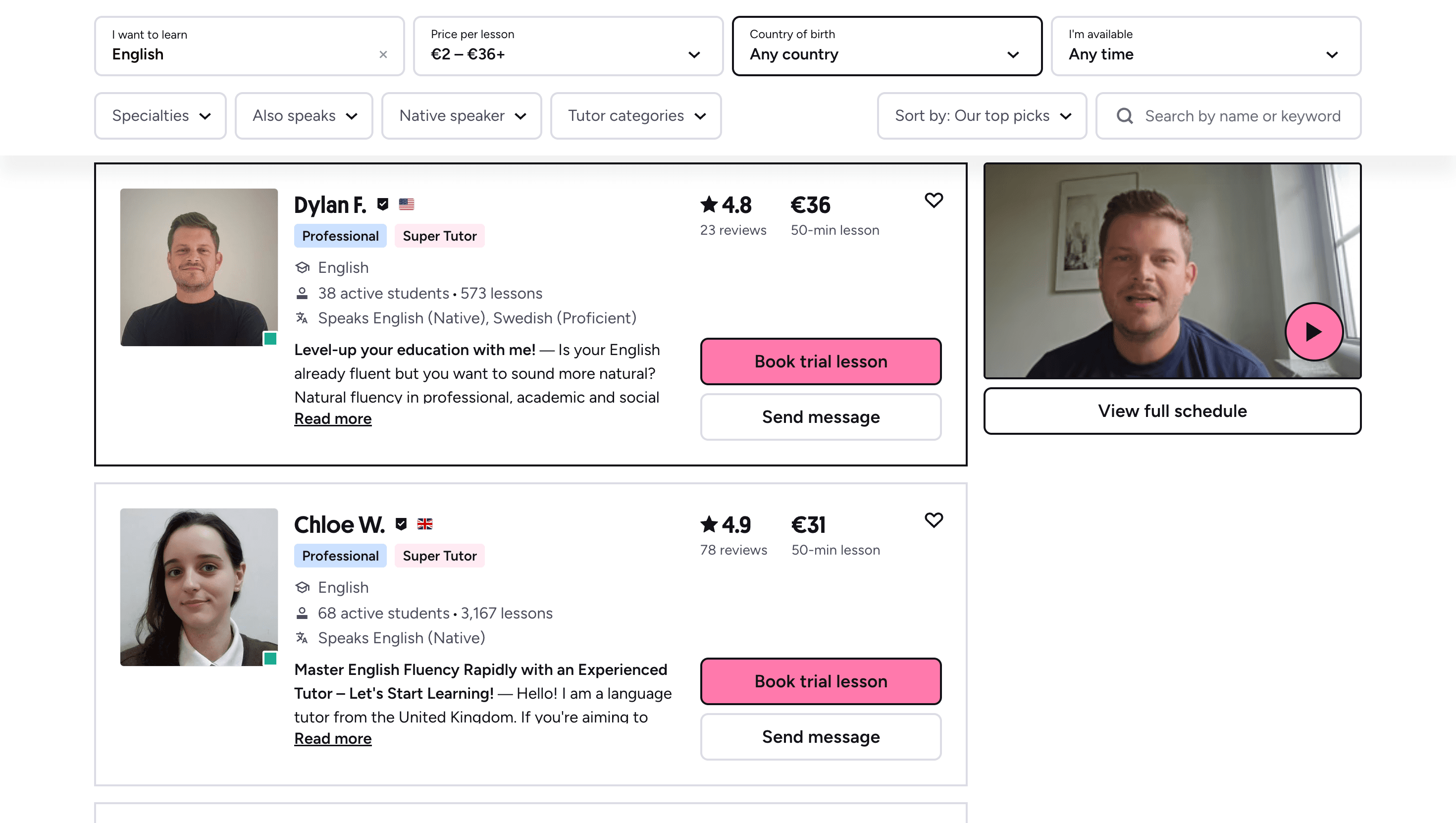
Many learners give up on language learning due to these high costs, missing out on valuable professional and personal opportunities.
That’s why we created Kylian: to make language learning accessible to everyone and help people master a foreign language without breaking the bank.
To get started, just tell Kylian which language you want to learn and what your native language is
Tired of teachers who don’t understand your specific struggles as a French speaker? Kylian’s advantage lies in its ability to teach any language using your native tongue as the foundation.
Unlike generic apps that offer the same content to everyone, Kylian explains concepts in your native language (French) and switches to the target language when necessary—perfectly adapting to your level and needs.
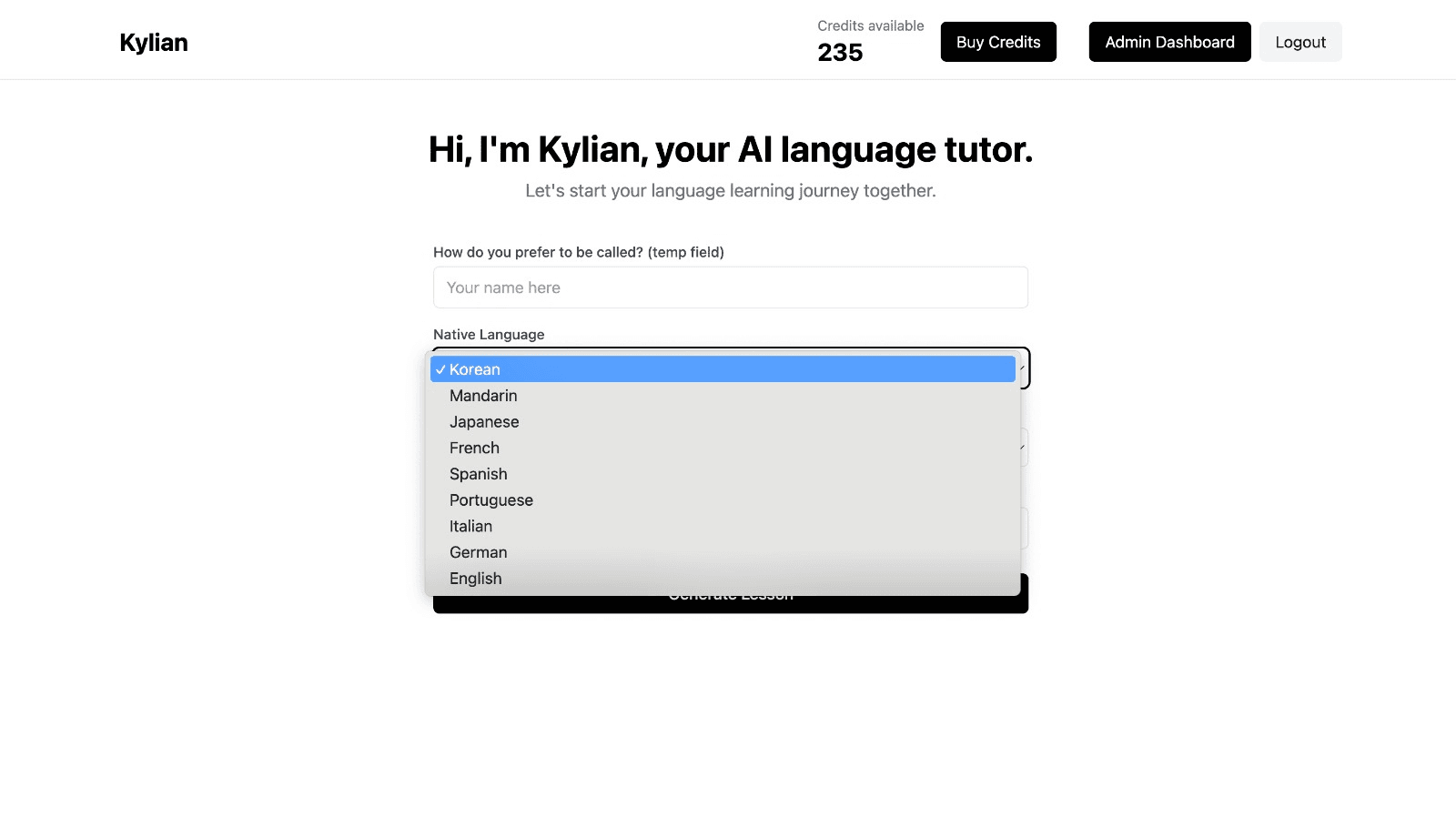
This personalization removes the frustration and confusion that are so common in traditional language learning.
Choose a specific topic you want to learn
Frustrated by language lessons that never cover exactly what you need? Kylian can teach you any aspect of a language—from pronunciation to advanced grammar—by focusing on your specific goals.
Avoid vague requests like “How can I improve my accent?” and be precise: “How do I pronounce the R like a native English speaker?” or “How do I conjugate the verb ‘to be’ in the present tense?”
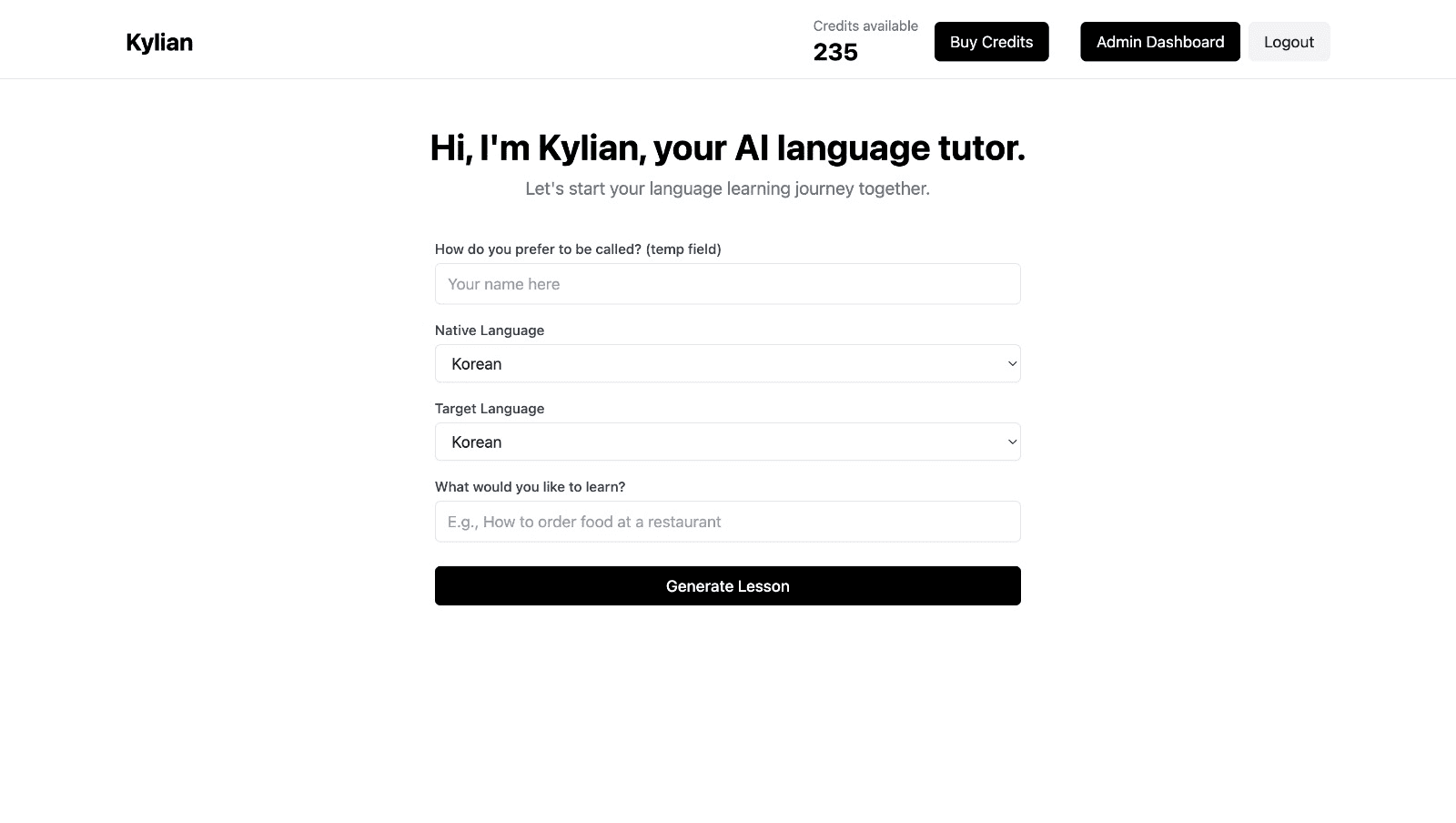
With Kylian, you’ll never again pay for irrelevant content or feel embarrassed asking “too basic” questions to a teacher. Your learning plan is entirely personalized.
Once you’ve chosen your topic, just hit the “Generate a Lesson” button, and within seconds, you’ll get a lesson designed exclusively for you.
Join the room to begin your lesson
The session feels like a one-on-one language class with a human tutor—but without the high price or time constraints.
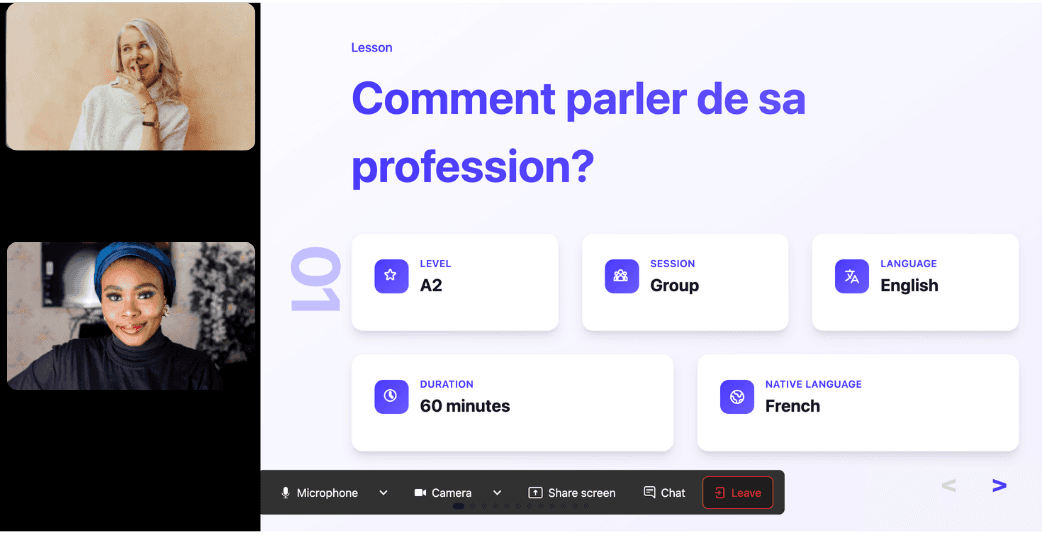
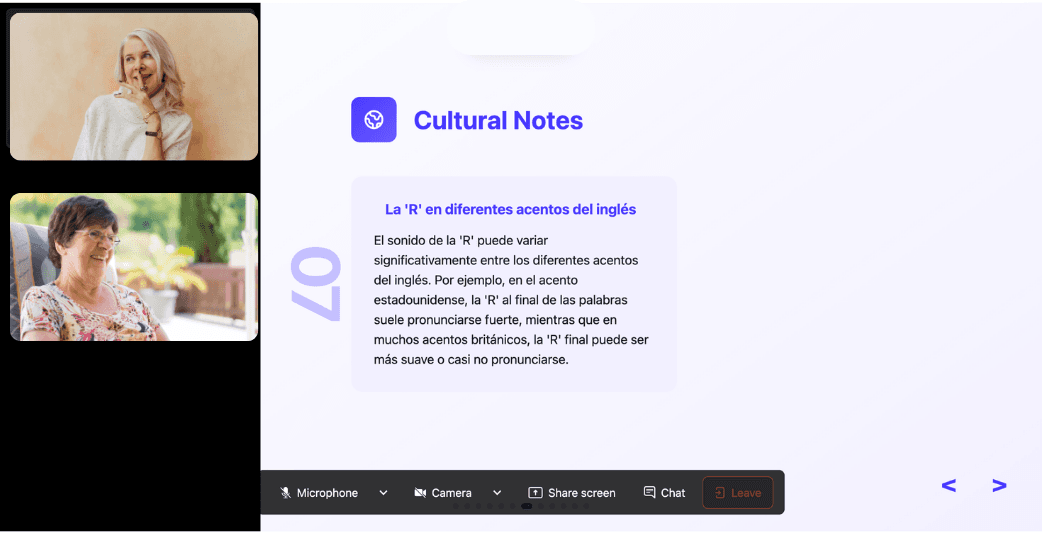
In a 25-minute lesson, Kylian teaches exactly what you need to know about your chosen topic: the nuances that textbooks never explain, key cultural differences between French and your target language, grammar rules, and much more.
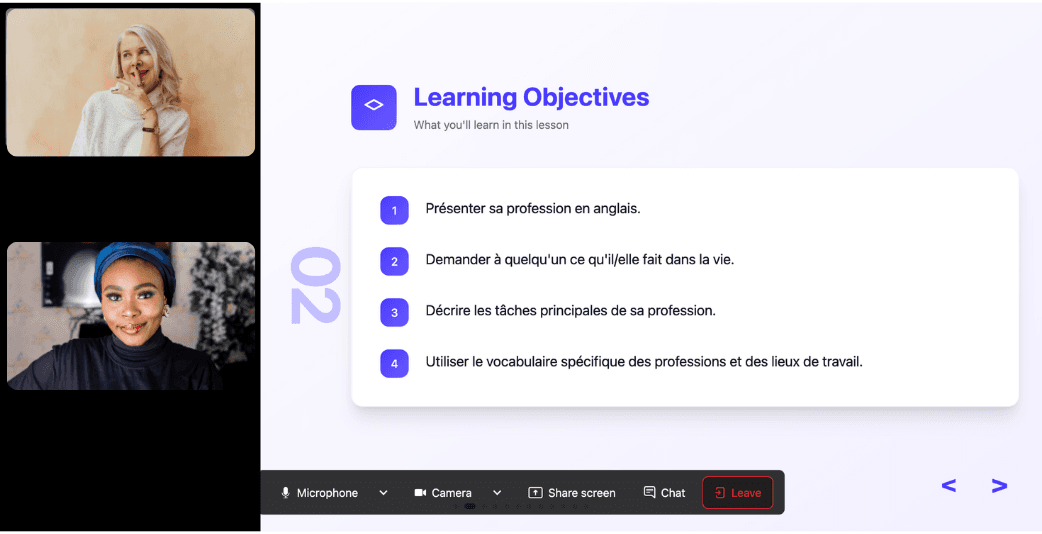
Ever felt frustrated trying to keep up with a native-speaking teacher, or embarrassed to ask for something to be repeated? With Kylian, that problem disappears. It switches intelligently between French and the target language depending on your level, helping you understand every concept at your own pace.
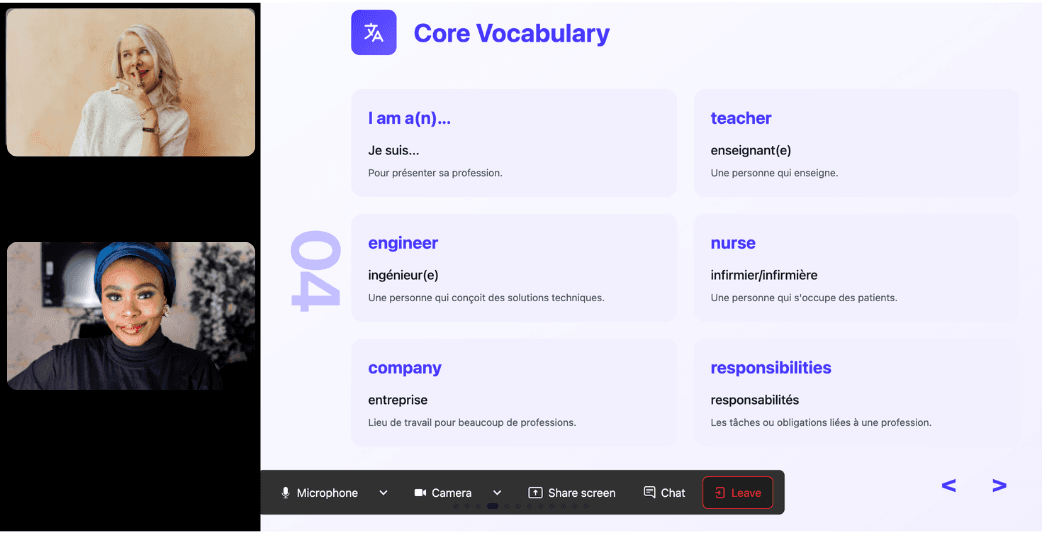
During the lesson, Kylian uses role-plays, real-life examples, and adapts to your learning style. Didn’t understand something? No problem—you can pause Kylian anytime to ask for clarification, without fear of being judged.
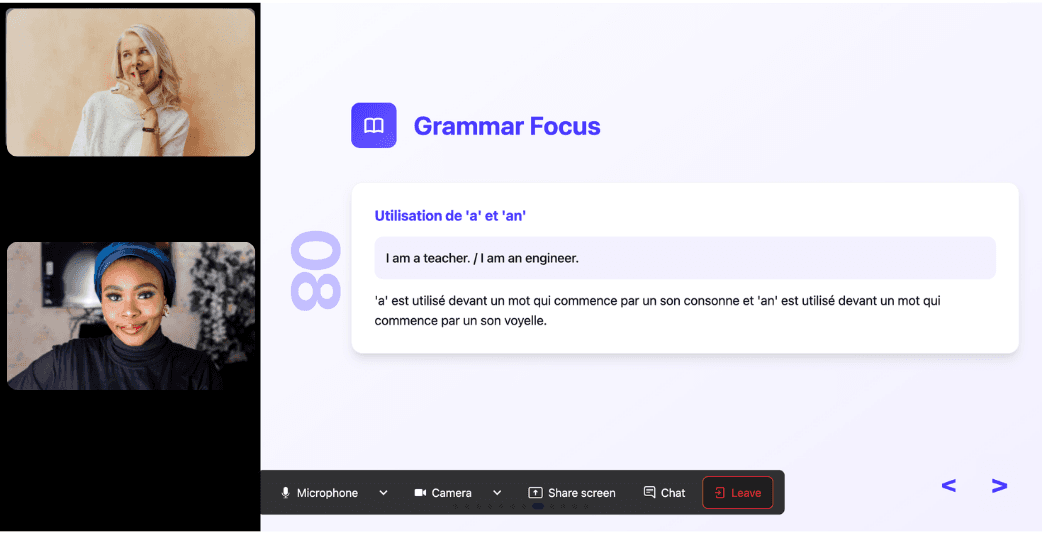
Ask all the questions you want, repeat sections if needed, and customize your learning experience in ways traditional teachers and generic apps simply can’t match.
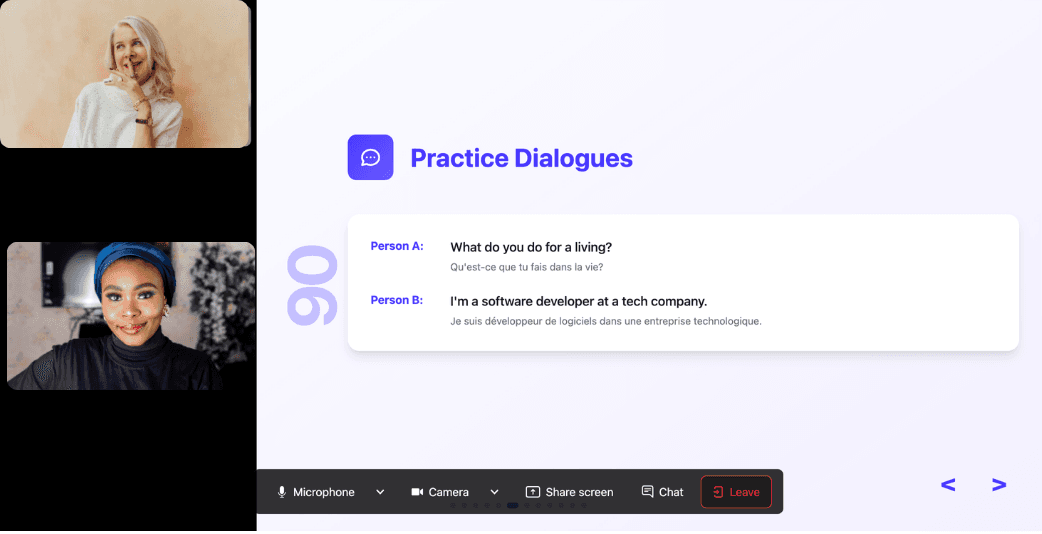
With 24/7 access at a fraction of the cost of private lessons, Kylian removes all the barriers that have kept you from mastering the language you’ve always wanted to learn.