Learning weekdays in Polish represents more than memorizing seven words—it unlocks fundamental patterns that govern how Polish speakers organize time, plan activities, and structure conversations. This knowledge directly impacts your ability to schedule meetings, understand cultural references, and participate in everyday Polish communication.
The Seven Polish Weekdays: Foundation and Structure
Polish weekdays follow a logical system rooted in historical and religious traditions. Understanding this system accelerates your learning because each day connects to broader linguistic patterns.
Poniedziałek (Monday) derives from "po niedzieli," meaning "after Sunday." This construction reveals how Polish speakers conceptualize the week's beginning in relation to its end—a cognitive framework that appears throughout Polish temporal expressions.
Wtorek (Tuesday) comes from "wtóry," the archaic form of "drugi" (second). This etymology demonstrates Polish's systematic numbering approach to weekdays, where Tuesday functions as the second day in the traditional counting system.
Środa (Wednesday) translates directly to "middle," positioning Wednesday as the week's center point. This linguistic choice reflects practical time management—Polish speakers inherently understand Wednesday as the pivot between week's beginning and end.
Czwartek (Thursday) derives from "czwarty" (fourth), maintaining the numerical sequence that characterizes Polish weekday naming conventions.
Piątek (Friday) connects to "piąty" (fifth), continuing this numbered progression while marking the transition toward weekend activities.
Sobota (Saturday) originates from Hebrew "Sabbath," revealing historical religious influences on Polish temporal vocabulary. This borrowing demonstrates how Polish adapted foreign concepts while maintaining linguistic consistency.
Niedziela (Sunday) means "no work day" or "day of rest," combining "nie" (no/not) with "dzielo" (work/deed). This construction emphasizes Sunday's cultural significance as a non-working day, embedded directly in the language structure.
Pronunciation Mastery: Critical Sound Patterns
Polish weekday pronunciation follows specific phonetic rules that, once mastered, improve your overall Polish speaking ability. These patterns extend beyond weekdays into broader vocabulary categories.
Poniedziałek [po-nih-DJAH-wek] requires careful attention to the soft "dź" sound, which appears frequently in Polish vocabulary. The stress falls on the third syllable, following Polish's general penultimate stress pattern for longer words.
Wtorek [FTOH-rek] begins with the consonant cluster "wt," challenging for English speakers but essential for natural Polish pronunciation. The initial "w" softens into an "f" sound when preceding "t."
Środa [SHROH-dah] features the "ś" sound, produced by placing your tongue against the roof of your mouth—a sound that distinguishes fluent speakers from beginners.
Czwartek [CHFAHR-tek] combines the "cz" sound (like English "ch") with "w," creating another consonant cluster that requires practice but appears in numerous Polish words.
Piątek [PYOHn-tek] includes the nasal "ą" vowel, fundamental to Polish phonetics and appearing in countless everyday expressions.
Sobota [so-BOH-tah] follows standard Polish pronunciation rules with clear syllable divisions and straightforward stress patterns.
Niedziela [nih-DJEH-lah] repeats the soft "dź" sound from Monday, reinforcing this critical phonetic element.
Grammar Integration: Cases and Practical Usage
Polish weekdays change form based on grammatical cases, directly impacting how you construct sentences about time, scheduling, and activities. This grammatical flexibility enables precise expression but requires systematic understanding.
In the accusative case, used for direct time expressions, weekdays often remain unchanged: "Widzę cię w poniedziałek" (I'll see you on Monday). However, context determines specific usage patterns that native speakers navigate intuitively.
The instrumental case appears in expressions like "poniedziałkiem" when describing duration or means: "Między poniedziałkiem a środą" (Between Monday and Wednesday). This case usage extends to broader temporal constructions throughout Polish.
Locative case formations like "w poniedziałek" (on Monday) represent the most common way Polish speakers reference specific days. Understanding this pattern eliminates guesswork when scheduling conversations.
The genitive case appears in expressions of absence or lack: "bez poniedziałku" (without Monday), though such constructions occur less frequently in everyday speech.
Cultural Context: Why Polish Weekdays Matter
Polish weekday usage reflects deeper cultural attitudes toward work, rest, and social organization. Monday through Friday represent "dni robocze" (working days), with specific cultural expectations attached to each day's activities and social interactions.
Friday holds particular significance as "dzień przed weekendem" (the day before weekend), triggering cultural behaviors around planning, socializing, and transitioning from work obligations to personal time. Understanding this cultural weight helps you navigate Polish social situations more effectively.
Saturday traditionally served multiple functions—market day, cleaning day, and preparation day for Sunday's religious observances. These historical patterns continue influencing contemporary Polish scheduling and social expectations.
Sunday maintains strong cultural associations with family gatherings, religious observance, and rest. Even secular Polish speakers recognize Sunday's special status through language use and social planning patterns.
Advanced Usage Patterns: Beyond Basic Translation
Polish speakers employ weekdays in idiomatic expressions that reveal cultural insights while expanding your conversational ability. "Mieć poniedziałkowy nastrój" (to have a Monday mood) describes feeling unmotivated or sluggish—a cultural reference that transcends literal translation.
"Sobotni wieczór" (Saturday evening) carries specific social connotations about entertainment, socializing, and leisure activities that differ from weekday evening expectations. Understanding these nuances improves your ability to participate in Polish social planning.
Time expressions combining weekdays with specific hours follow patterns that differ from English constructions. "W środę o trzeciej" (On Wednesday at three) demonstrates standard Polish temporal organization that becomes automatic with practice.
Regional Variations and Historical Development
Different Polish regions historically used varying weekday terminology, though standardization has largely unified contemporary usage. Understanding these historical variations provides insight into Polish's linguistic evolution and regional identity formation.
Silesian dialects occasionally preserve older weekday forms, particularly for Sunday, where "njedźela" appears alongside standard "niedziela." These variations reflect broader dialectal patterns that characterize Polish's regional diversity.
Historical documents reveal how Polish weekday terminology evolved through contact with German, Czech, and other neighboring languages. This linguistic borrowing and adaptation demonstrates Polish's capacity for maintaining core Slavic structure while incorporating foreign elements.
Learning Strategies: Memory and Retention Techniques
The numerical pattern underlying Tuesday through Friday (wtorek, środa, czwartek, piątek) provides a systematic memory anchor. Recognizing this sequence eliminates random memorization, replacing it with logical linguistic understanding.
Connecting weekday etymology to contemporary usage creates deeper memory associations. Understanding that "środa" means "middle" helps you remember both the word and its cultural significance as the week's center point.
Practice scheduling conversations using Polish weekdays in realistic contexts. "Spotkajmy się w czwartek" (Let's meet on Thursday) represents practical application that reinforces both vocabulary and cultural usage patterns.
Common Mistakes and Correction Strategies
English speakers frequently mispronounce the soft consonants in "poniedziałek" and "niedziela," producing harsh sounds that immediately identify non-native speakers. Focused practice on these specific phonetic elements dramatically improves overall pronunciation quality.
Case confusion occurs when learners apply English temporal constructions to Polish weekday expressions. "Na poniedziałek" versus "w poniedziałek" represents a common error that affects communication clarity.
Stress pattern mistakes, particularly placing emphasis on final syllables rather than following Polish penultimate stress rules, create pronunciation that sounds foreign even when vocabulary usage is correct.
Digital Age Applications: Modern Polish Usage
Contemporary Polish incorporates weekdays into digital communication patterns that reflect changing social behaviors. Text messaging abbreviations like "pon." (poniedziałek) and "śr." (środa) appear frequently in informal communication.
Social media scheduling posts often reference weekdays in ways that assume cultural knowledge about daily rhythms and social expectations. Understanding these patterns helps you participate in Polish digital communities more effectively.
Online calendars and scheduling applications in Polish use weekday abbreviations and formatting that follows specific conventions. Familiarity with these digital patterns facilitates practical task completion in Polish-language environments.
Learn Any Language with Kylian AI
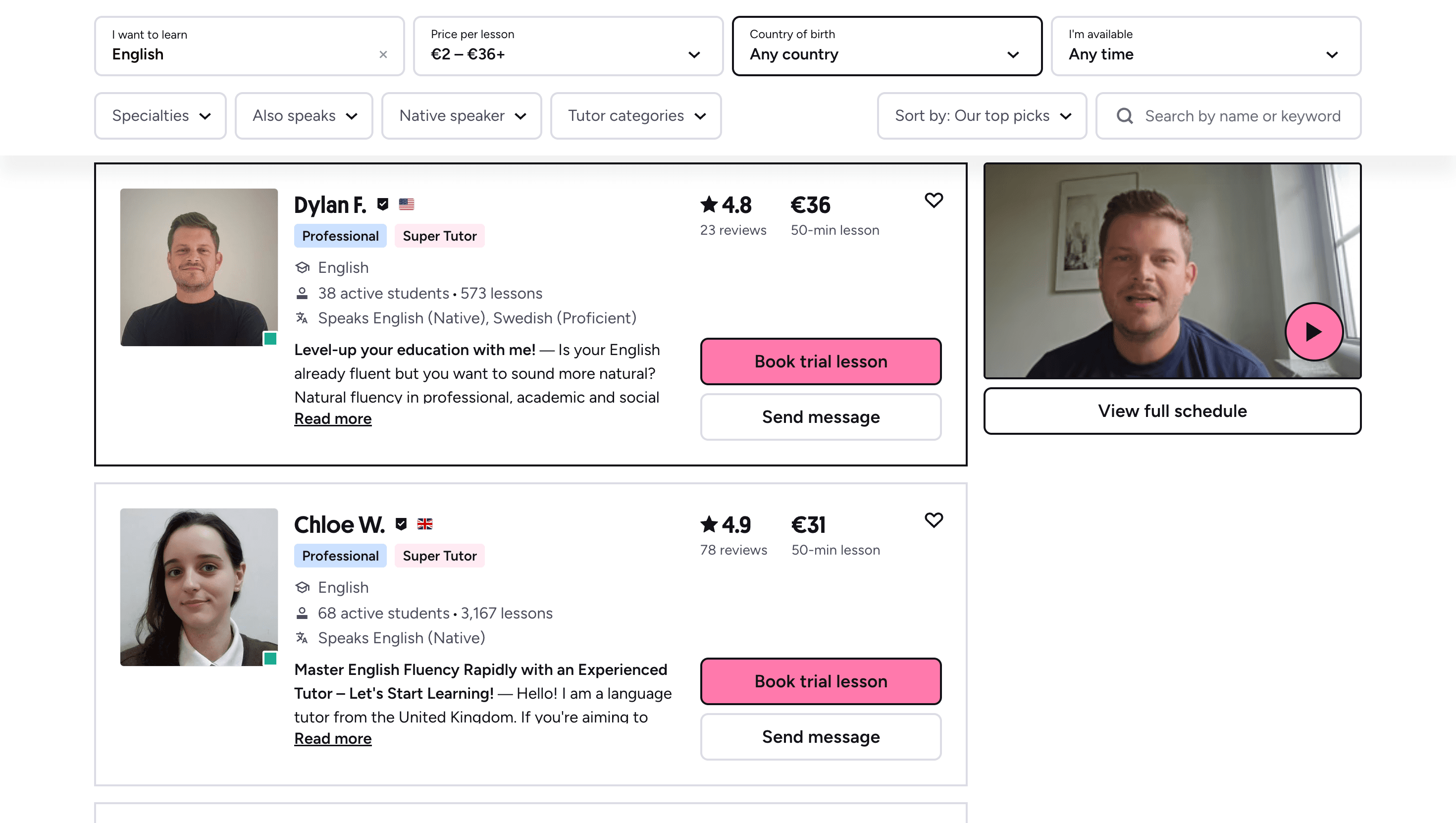
Private language lessons are expensive. Paying between 15 and 50 euros per lesson isn’t realistic for most people—especially when dozens of sessions are needed to see real progress.
Many learners give up on language learning due to these high costs, missing out on valuable professional and personal opportunities.
That’s why we created Kylian: to make language learning accessible to everyone and help people master a foreign language without breaking the bank.
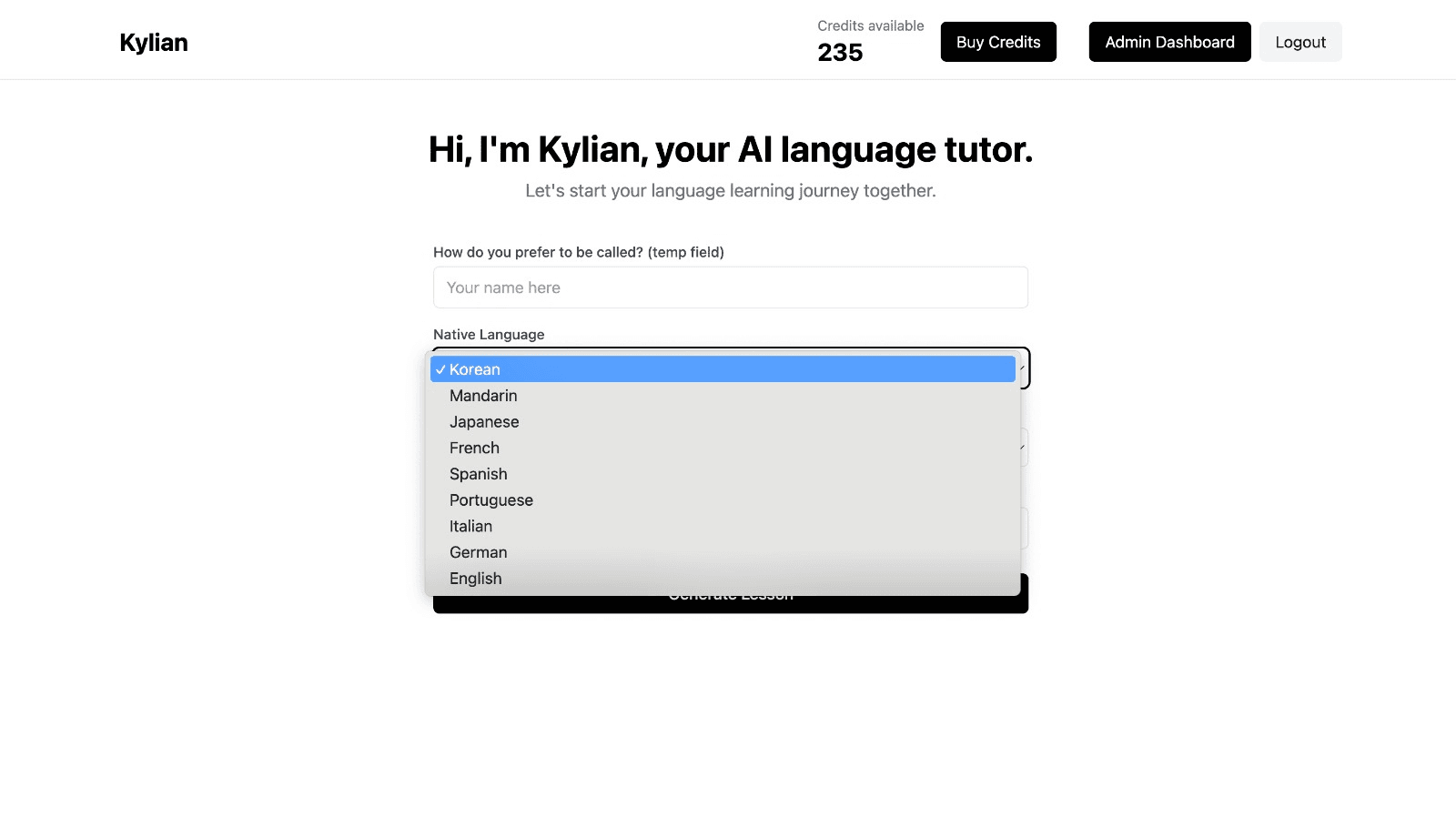
To get started, just tell Kylian which language you want to learn and what your native language is
Tired of teachers who don’t understand your specific struggles as a French speaker? Kylian’s advantage lies in its ability to teach any language using your native tongue as the foundation.
Unlike generic apps that offer the same content to everyone, Kylian explains concepts in your native language (French) and switches to the target language when necessary—perfectly adapting to your level and needs.
This personalization removes the frustration and confusion that are so common in traditional language learning.
Choose a specific topic you want to learn
Frustrated by language lessons that never cover exactly what you need? Kylian can teach you any aspect of a language—from pronunciation to advanced grammar—by focusing on your specific goals.
Avoid vague requests like “How can I improve my accent?” and be precise: “How do I pronounce the R like a native English speaker?” or “How do I conjugate the verb ‘to be’ in the present tense?”
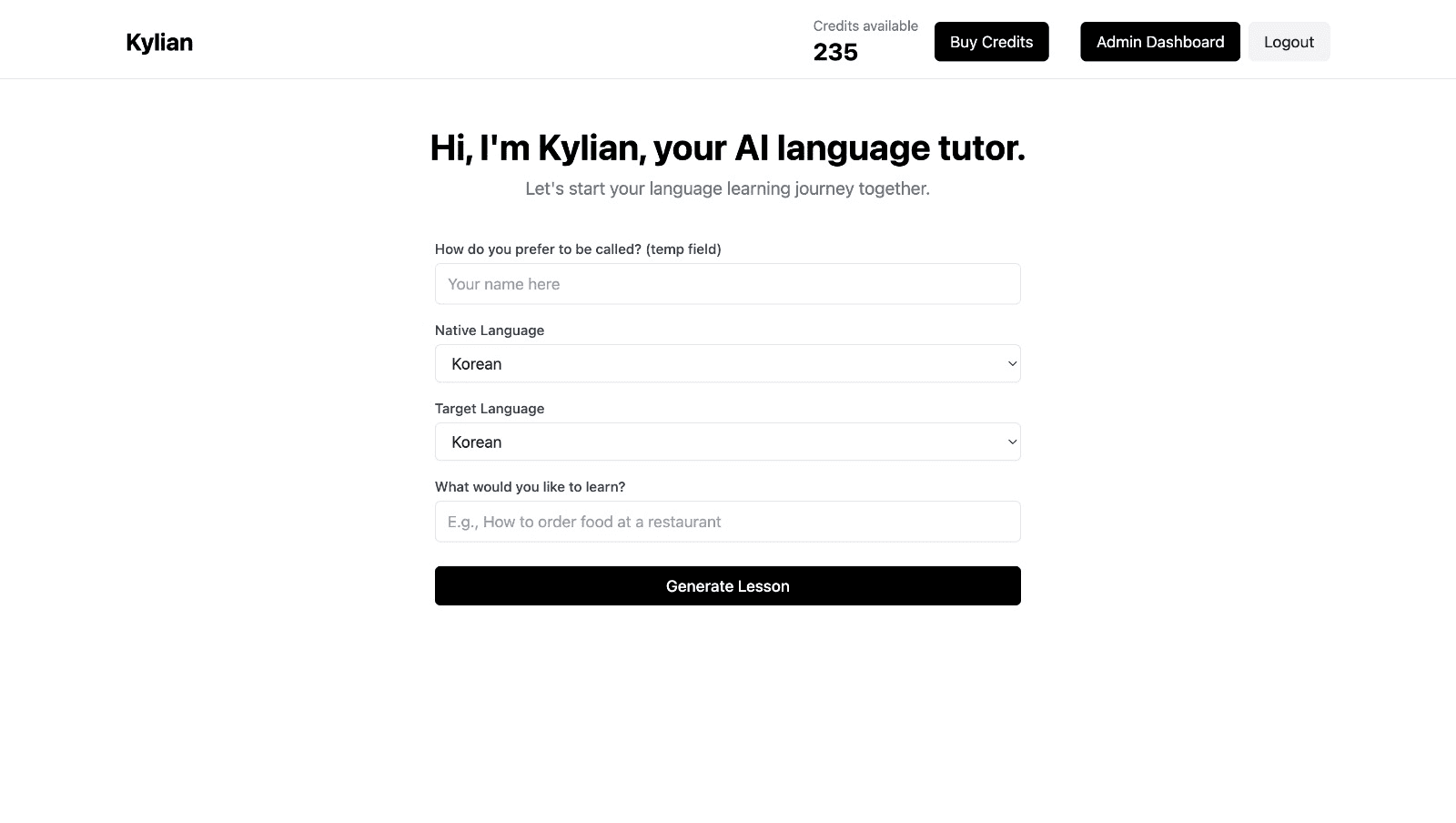
With Kylian, you’ll never again pay for irrelevant content or feel embarrassed asking “too basic” questions to a teacher. Your learning plan is entirely personalized.
Once you’ve chosen your topic, just hit the “Generate a Lesson” button, and within seconds, you’ll get a lesson designed exclusively for you.
Join the room to begin your lesson
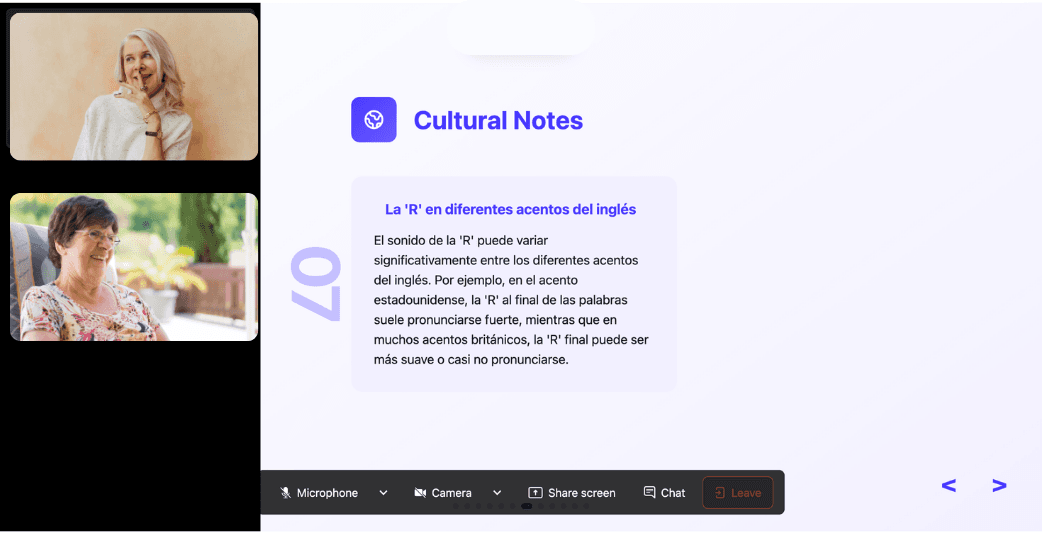
The session feels like a one-on-one language class with a human tutor—but without the high price or time constraints.
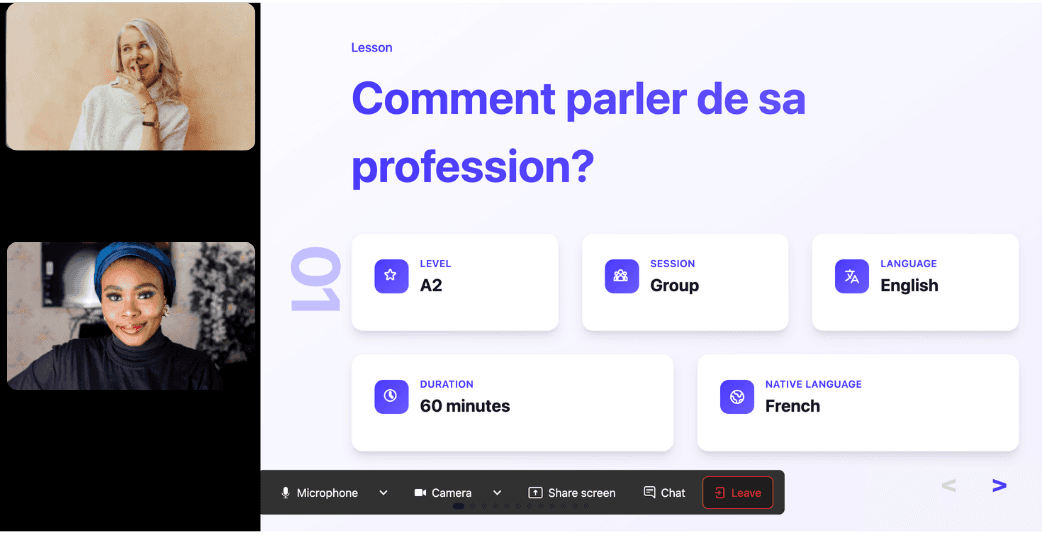
In a 25-minute lesson, Kylian teaches exactly what you need to know about your chosen topic: the nuances that textbooks never explain, key cultural differences between French and your target language, grammar rules, and much more.
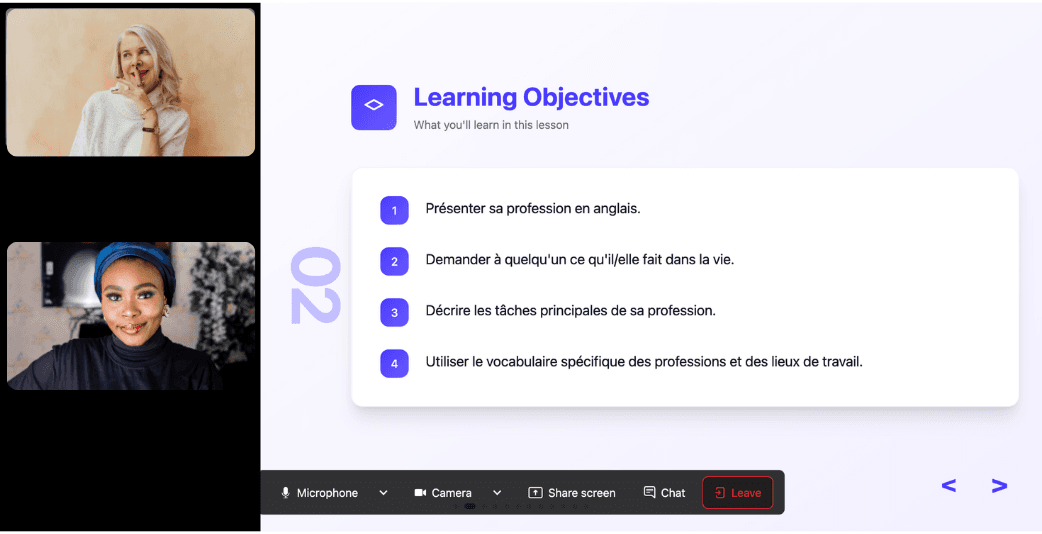
Ever felt frustrated trying to keep up with a native-speaking teacher, or embarrassed to ask for something to be repeated? With Kylian, that problem disappears. It switches intelligently between French and the target language depending on your level, helping you understand every concept at your own pace.
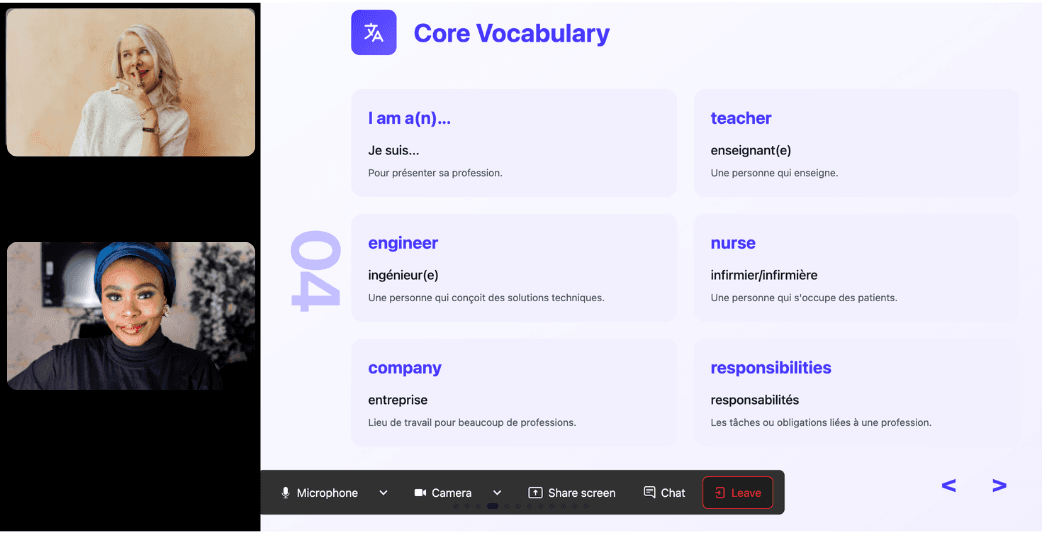
During the lesson, Kylian uses role-plays, real-life examples, and adapts to your learning style. Didn’t understand something? No problem—you can pause Kylian anytime to ask for clarification, without fear of being judged.
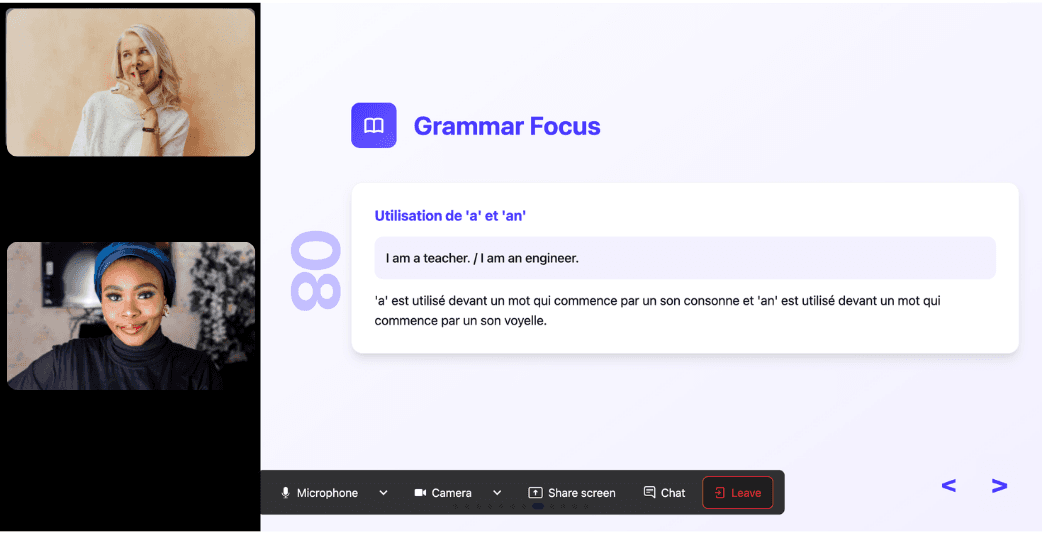
Ask all the questions you want, repeat sections if needed, and customize your learning experience in ways traditional teachers and generic apps simply can’t match.
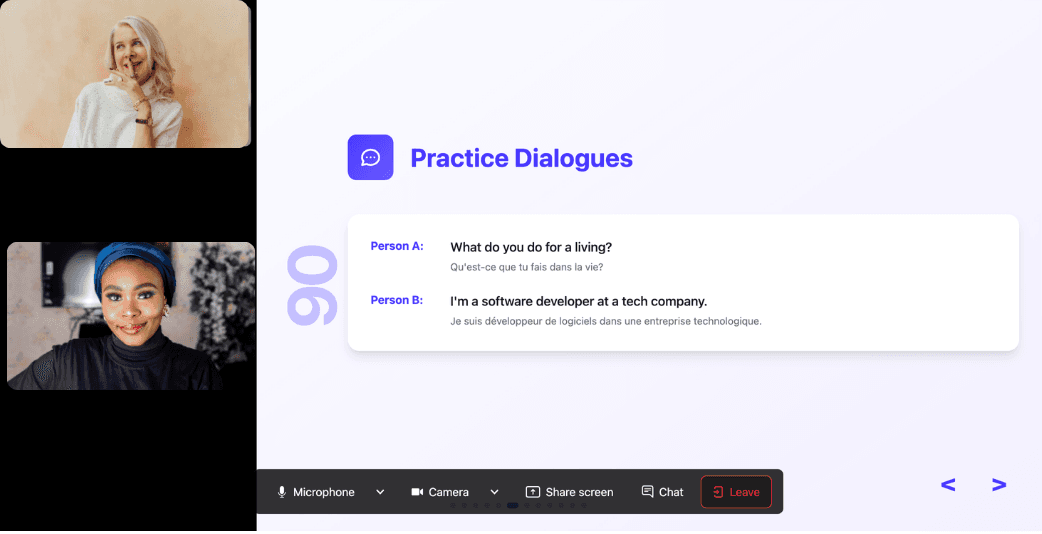
With 24/7 access at a fraction of the cost of private lessons, Kylian removes all the barriers that have kept you from mastering the language you’ve always wanted to learn.