The English language presents a fundamental challenge that trips up even advanced speakers: when do we write "tomatos" and when do we write "tomatoes"? This distinction matters because it reflects deeper patterns in English pluralization that extend far beyond this single word. Understanding this rule correctly positions you to handle hundreds of similar cases with confidence.
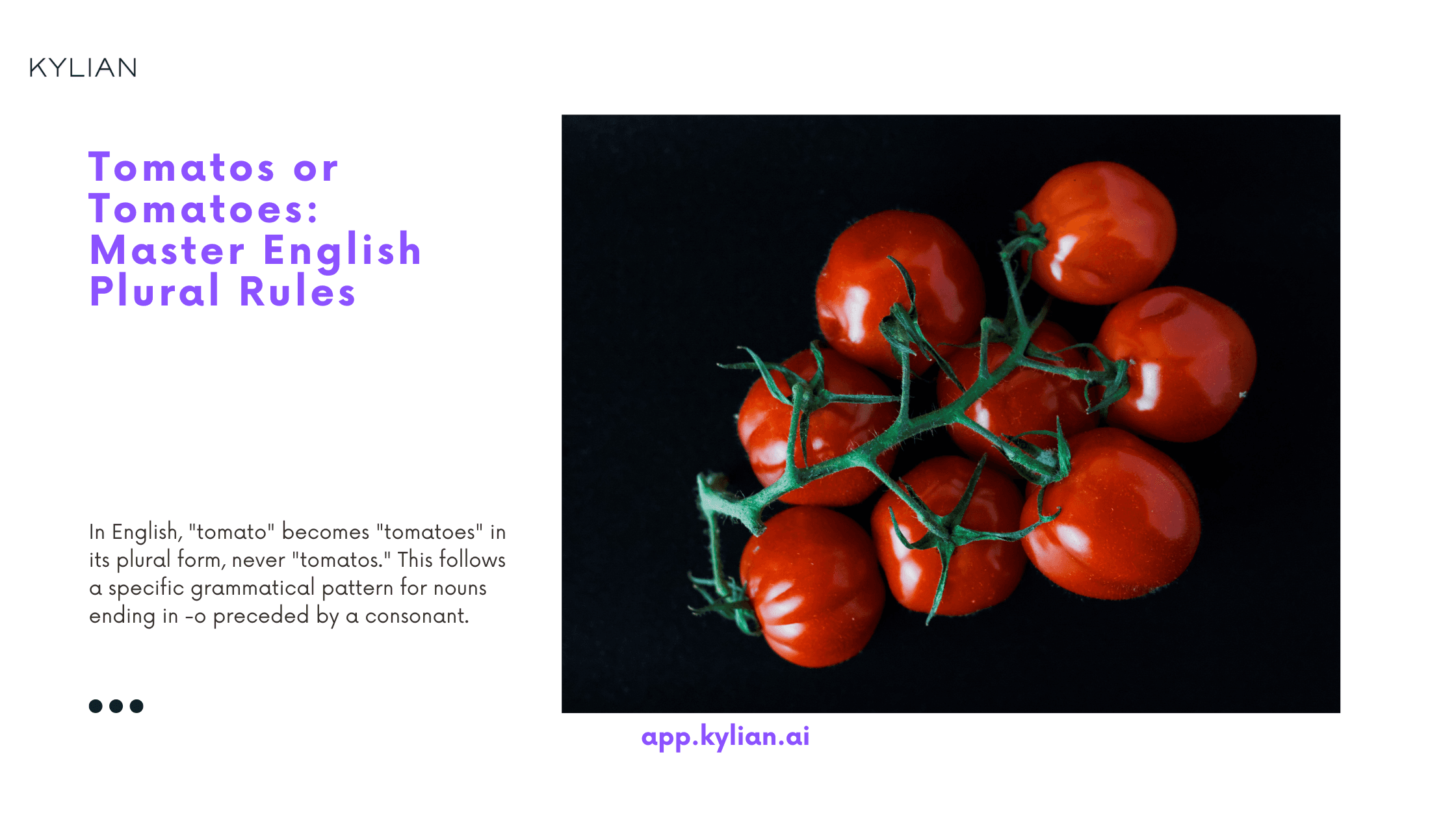
In English, "tomato" becomes "tomatoes" in its plural form, never "tomatos." This follows a specific grammatical pattern for nouns ending in -o preceded by a consonant. The distinction carries weight in professional communication, academic writing, and daily conversation where precision signals competence.
What's the main difference between 'tomatos' and 'tomatoes'?
The core difference lies in grammatical correctness versus common error. "Tomatoes" represents the standard, accepted plural form of "tomato," while "tomatos" constitutes a spelling mistake that occurs when speakers incorrectly apply the general English pluralization rule of simply adding -s.
This error stems from overgeneralization—a cognitive process where learners apply one rule too broadly. Most English nouns form plurals by adding -s (book/books, car/cars), but words ending in -o preceded by a consonant require -es. The rule exists because adding only -s would create pronunciation difficulties and ambiguity in many cases.
Consider these examples that demonstrate the pattern:
- Potato → potatoes (not potatos)
- Hero → heroes (not heros)
- Echo → echoes (not echos)
- Veto → vetoes (not vetos)
The linguistic reasoning involves phonetic flow and historical development. When English speakers encounter consonant-o combinations, adding -es creates a more natural pronunciation bridge and maintains clarity in both spoken and written forms.
How and when to use 'tomatos' and 'tomatoes' with examples?
The usage rules are absolute: never use "tomatos" in any context. "Tomatoes" serves as the only correct plural form across all situations—formal writing, casual conversation, technical documentation, and creative expression.
This absoluteness differs from many English grammar situations where context might allow variations. With tomato pluralization, no regional dialect, informal register, or specialized context permits "tomatos" as acceptable usage.
Correct applications of "tomatoes":
In culinary contexts: "The chef selected vine-ripened tomatoes for the caprese salad." Here, the plural form appears in professional food preparation discussions where precision matters for ingredient specifications.
In agricultural discussions: "These heirloom tomatoes require ninety days from seed to harvest." The context demands accuracy because farming communications often involve commercial transactions and technical specifications.
In nutritional writing: "Tomatoes provide lycopene, vitamin C, and folate essential for cellular health." Scientific and health communications require grammatical precision to maintain credibility.
In everyday conversation: "I bought six tomatoes at the farmer's market this morning." Even casual speech benefits from correct usage, as errors can distract from the intended message.
The key principle involves consistency—regardless of formality level or audience sophistication, "tomatoes" remains the universal standard. This consistency eliminates the cognitive burden of deciding between variants based on context.
More real-life scenarios where 'tomatoes' appear
Professional restaurant operations showcase the importance of precise language. When a sous chef communicates with suppliers, saying "We need forty pounds of Roma tomatoes delivered Tuesday morning" carries different implications than imprecise language might. The correct plural form supports clear commercial communication where misunderstandings affect inventory, costs, and service quality.
Kitchen staff training materials demonstrate another critical application. A culinary school handbook stating "Dice the tomatoes into quarter-inch pieces before adding to the sofrito base" provides unambiguous instruction. Students learning fundamental techniques need language precision that matches the precision required in professional cooking methods.
Corporate supply chain management presents a business context where accuracy matters significantly. A procurement specialist writing "Our Q3 forecast shows increased demand for organic tomatoes in the Pacific Northwest region" communicates data that influences purchasing decisions, supplier negotiations, and distribution planning. Grammatical errors in such communications can undermine professional credibility and create doubt about data accuracy.
Home gardening education materials require precision because enthusiasts often transition from hobby to small-scale commercial production. An extension service publication explaining "Cherry tomatoes mature faster than beefsteak varieties but require more frequent harvesting" serves audiences who may eventually sell their produce or teach others, amplifying the importance of modeling correct usage.
Common mistakes to avoid when using 'tomatoes'
The primary error involves adding only -s instead of -es, creating "tomatos." This mistake occurs most frequently among speakers whose first languages follow simpler pluralization patterns or those who haven't internalized the consonant-o rule. The error appears in both spoken and written English, but written errors carry more lasting consequences.
Context-based confusion represents another significant mistake. Some speakers believe informal situations permit "tomatos" as acceptable casual usage. This belief stems from observing other English areas where informal registers allow grammatical flexibility. However, the tomato pluralization rule admits no such flexibility—"tomatoes" remains correct across all registers and contexts.
Pronunciation-based spelling errors create additional problems. Speakers who pronounce the word with regional accents or rapid speech patterns sometimes spell it phonetically, resulting in "tomatos." This phonetic spelling approach fails because English spelling often reflects etymology and morphological patterns rather than pure phonetic representation.
Hypercorrection mistakes occur when speakers, aware that many -o words require -es, incorrectly apply this rule to exceptions. While this error doesn't affect "tomato" directly, understanding it helps speakers navigate related words like "photos" (not "photoes") and "pianos" (not "pianoes").
4 other words you can use instead of 'tomatoes'
Alternatives requiring similar -es pluralization:
"Potatoes" serves as the closest parallel, following identical pluralization rules and appearing in similar culinary contexts. When discussing root vegetables alongside tomatoes, "potatoes" provides semantic variety while maintaining grammatical consistency. Example: "The ratatouille recipe combines tomatoes, potatoes, and eggplant in equal proportions."
"Heroes" offers a grammatically parallel option when discussing people rather than produce. This word follows the same consonant-o-es pattern and can replace "tomatoes" in metaphorical contexts. Example: "Local farmers growing organic tomatoes are the unsung heroes of sustainable agriculture."
Alternatives with different pluralization patterns:
"Peppers" provides a semantically related alternative that pluralizes with simple -s addition. When describing similar produce, "peppers" offers variety while discussing related items. Example: "The salsa combines diced tomatoes with jalapeño peppers and fresh cilantro."
"Onions" represents another cooking ingredient that follows standard -s pluralization. This word appears frequently alongside tomatoes in recipes and food discussions. Example: "Sauté the onions before adding chopped tomatoes to develop deeper flavors."
These alternatives serve different strategic purposes: maintaining grammatical patterns (potatoes, heroes) or providing semantic variety while simplifying plural forms (peppers, onions). Context determines which alternative best serves the communication goal.
Understanding the broader pattern: Why -es matters
The tomato pluralization rule reflects a broader English pattern affecting dozens of common words. Understanding this pattern enables accurate usage across multiple terms rather than memorizing individual exceptions.
Words ending in -o preceded by a consonant typically require -es: echo/echoes, torpedo/torpedoes, embargo/embargoes, volcano/volcanoes. This pattern emerged from historical phonetic needs and remains consistent in modern usage.
However, words ending in -o preceded by a vowel usually add only -s: radio/radios, studio/studios, patio/patios. Additionally, musical terms borrowed from Italian typically add only -s: piano/pianos, soprano/sopranos, alto/altos.
The professional impact of precision
Language precision in professional contexts extends beyond mere correctness—it signals attention to detail, cultural competence, and communication skills that employers value. In industries where English serves as the primary business language, small errors can disproportionately impact career advancement and professional relationships.
Research in applied linguistics demonstrates that grammatical accuracy correlates with perceived competence in professional settings. Native speakers may unconsciously associate spelling and grammar mistakes with reduced expertise in other areas, creating barriers for non-native speakers despite their technical qualifications.
For business professionals, mastering seemingly minor distinctions like "tomatoes" versus "tomatos" contributes to overall communication effectiveness. The cognitive effort required to learn these patterns pays dividends across multiple professional interactions and written communications.
Learn Any Language with Kylian AI
Private language lessons are expensive. Paying between 15 and 50 euros per lesson isn’t realistic for most people—especially when dozens of sessions are needed to see real progress.
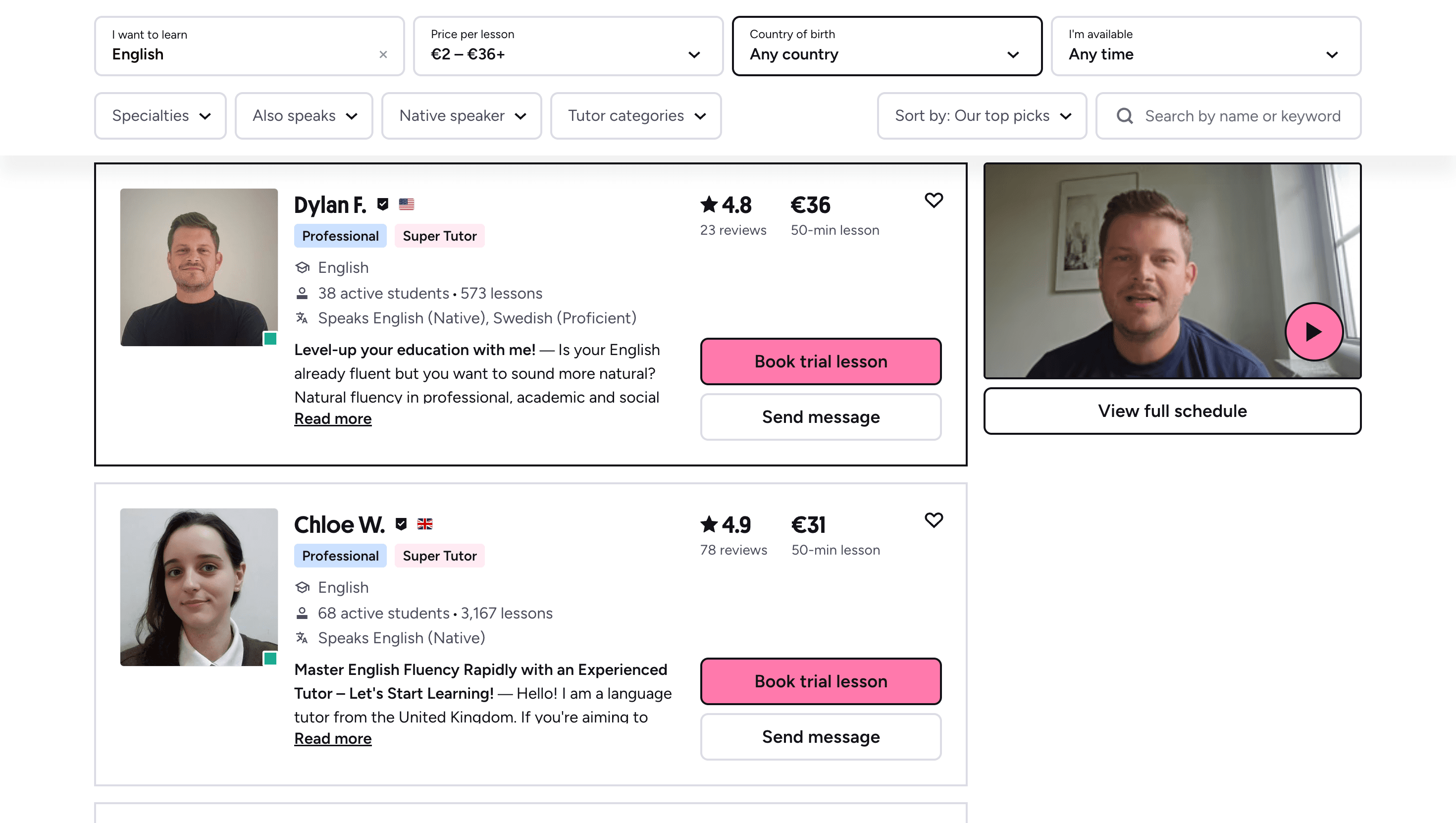
Many learners give up on language learning due to these high costs, missing out on valuable professional and personal opportunities.
That’s why we created Kylian: to make language learning accessible to everyone and help people master a foreign language without breaking the bank.
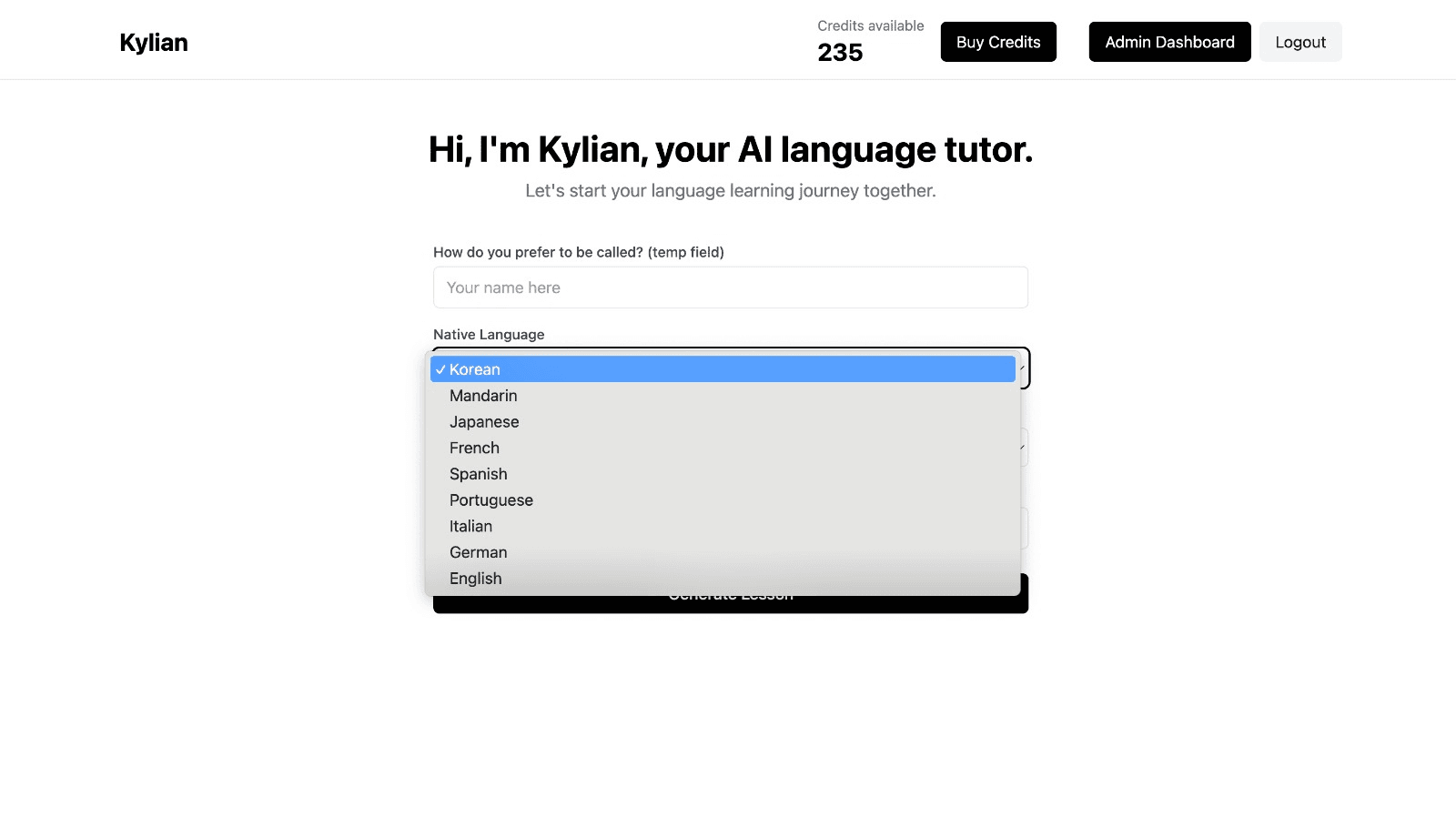
To get started, just tell Kylian which language you want to learn and what your native language is
Tired of teachers who don’t understand your specific struggles as a French speaker? Kylian’s advantage lies in its ability to teach any language using your native tongue as the foundation.
Unlike generic apps that offer the same content to everyone, Kylian explains concepts in your native language (French) and switches to the target language when necessary—perfectly adapting to your level and needs.
This personalization removes the frustration and confusion that are so common in traditional language learning.
Choose a specific topic you want to learn
Frustrated by language lessons that never cover exactly what you need? Kylian can teach you any aspect of a language—from pronunciation to advanced grammar—by focusing on your specific goals.
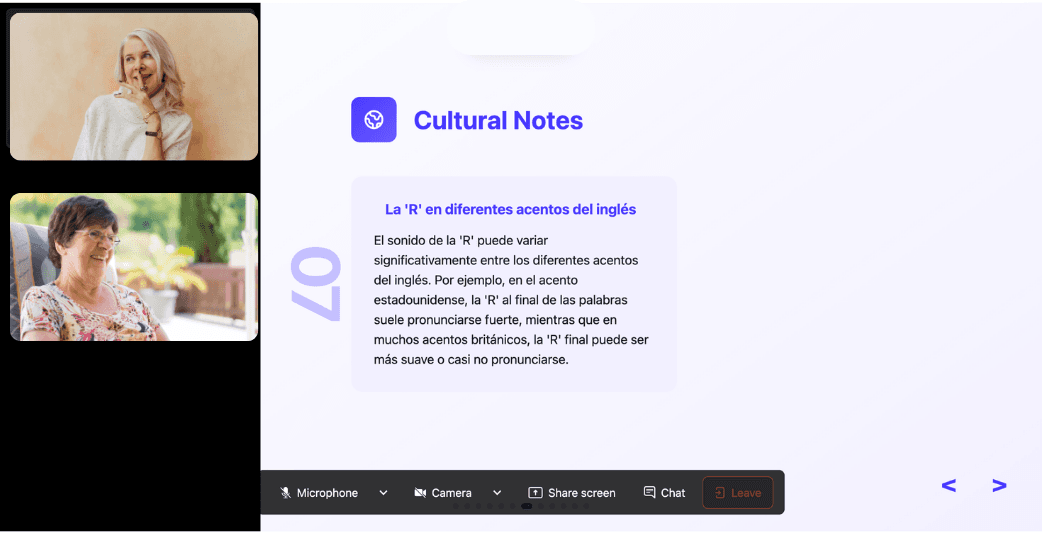
Avoid vague requests like “How can I improve my accent?” and be precise: “How do I pronounce the R like a native English speaker?” or “How do I conjugate the verb ‘to be’ in the present tense?”
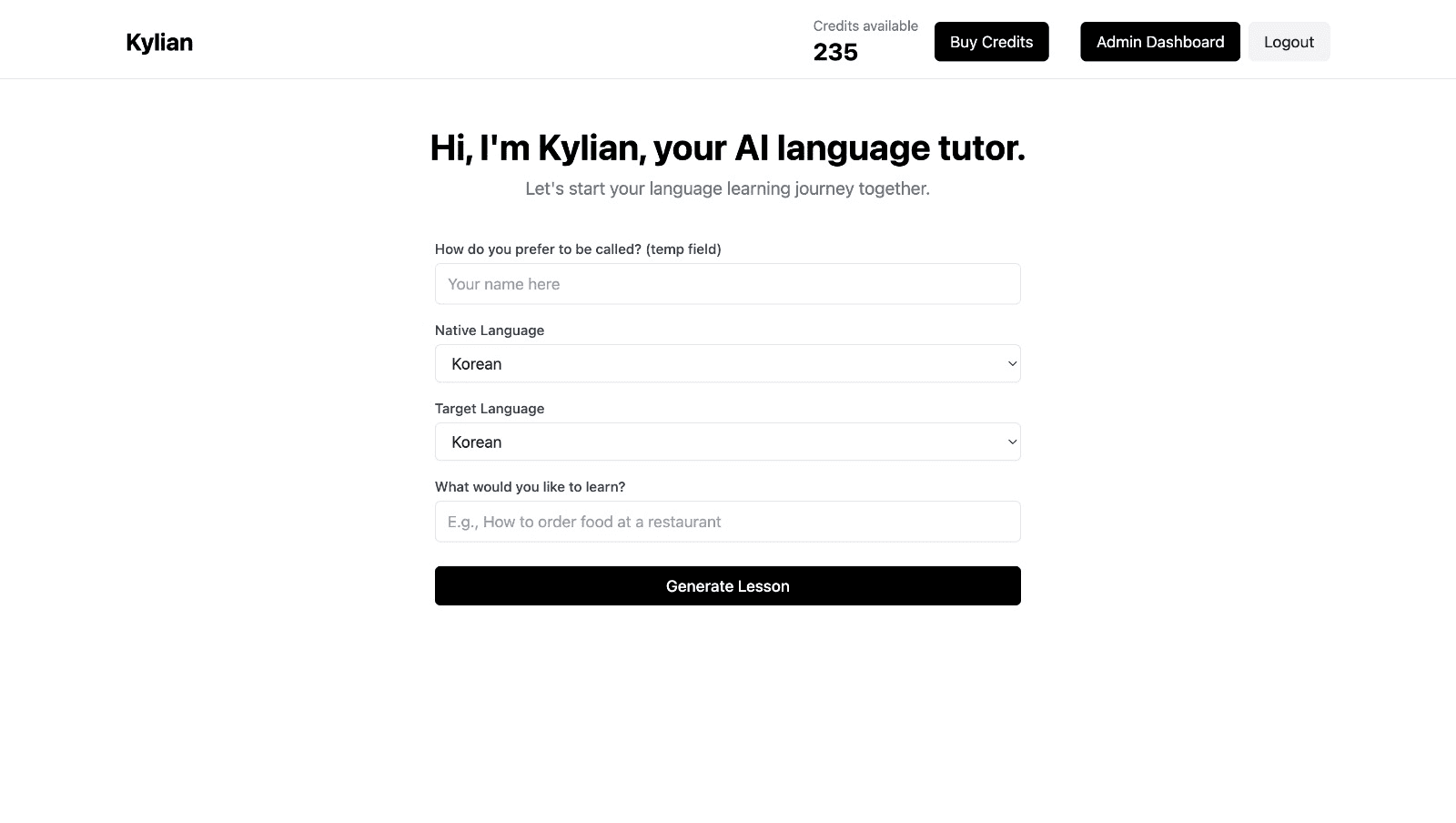
With Kylian, you’ll never again pay for irrelevant content or feel embarrassed asking “too basic” questions to a teacher. Your learning plan is entirely personalized.
Once you’ve chosen your topic, just hit the “Generate a Lesson” button, and within seconds, you’ll get a lesson designed exclusively for you.
Join the room to begin your lesson
The session feels like a one-on-one language class with a human tutor—but without the high price or time constraints.
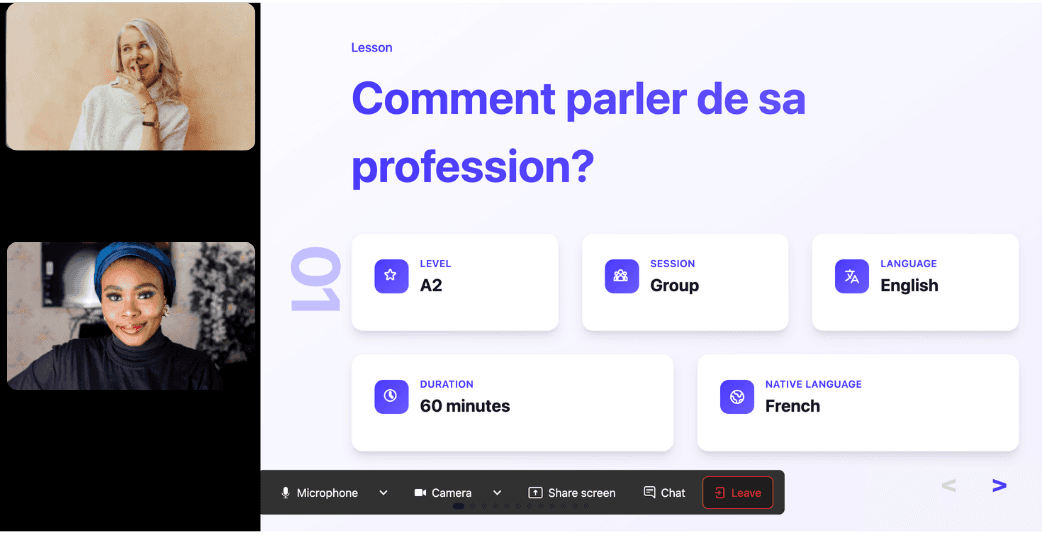
In a 25-minute lesson, Kylian teaches exactly what you need to know about your chosen topic: the nuances that textbooks never explain, key cultural differences between French and your target language, grammar rules, and much more.
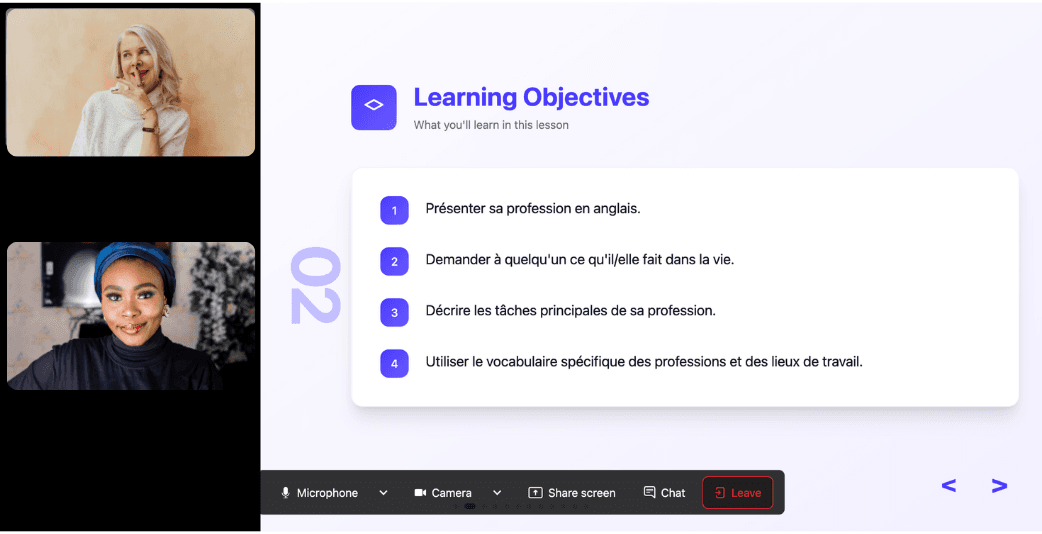
Ever felt frustrated trying to keep up with a native-speaking teacher, or embarrassed to ask for something to be repeated? With Kylian, that problem disappears. It switches intelligently between French and the target language depending on your level, helping you understand every concept at your own pace.
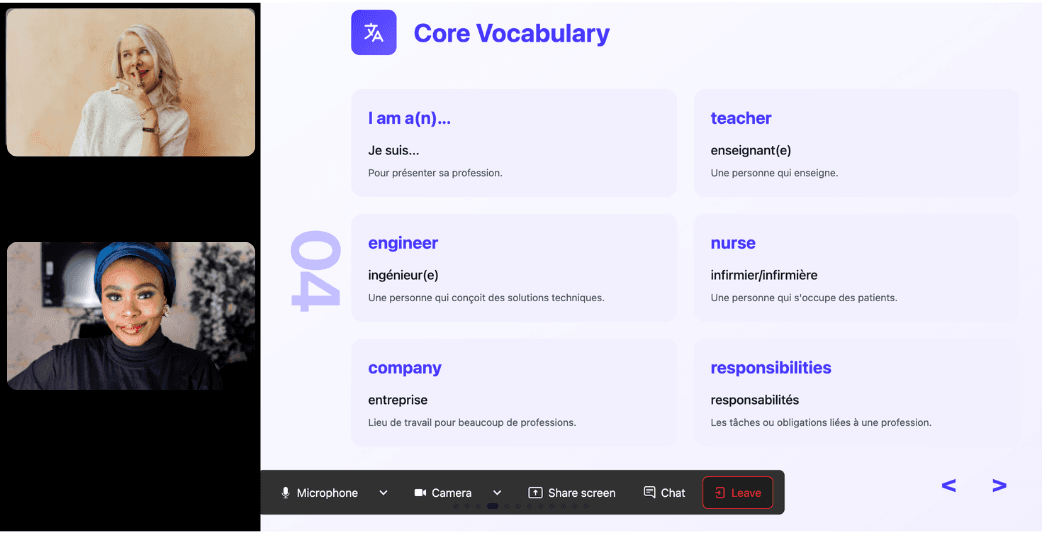
During the lesson, Kylian uses role-plays, real-life examples, and adapts to your learning style. Didn’t understand something? No problem—you can pause Kylian anytime to ask for clarification, without fear of being judged.
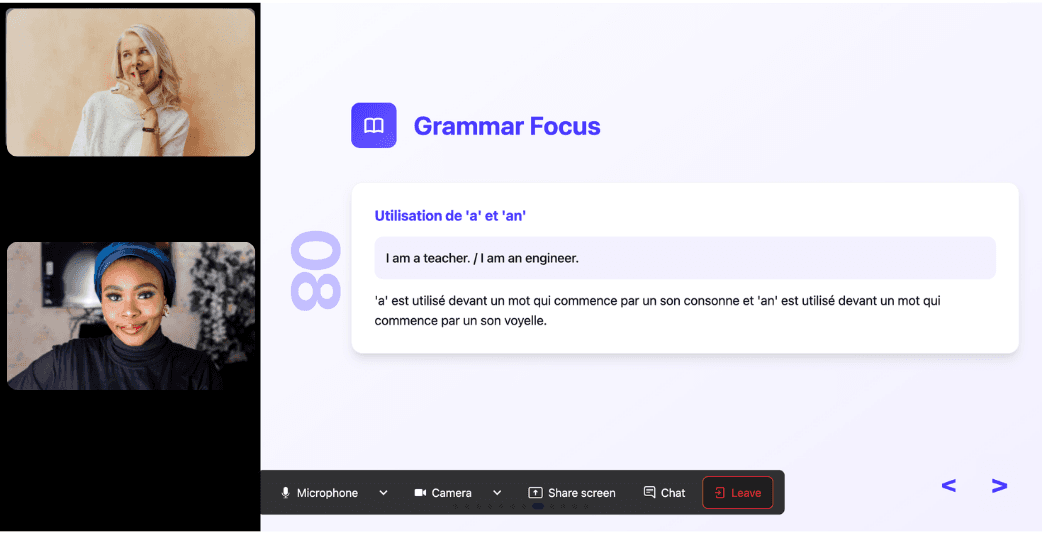
Ask all the questions you want, repeat sections if needed, and customize your learning experience in ways traditional teachers and generic apps simply can’t match.

With 24/7 access at a fraction of the cost of private lessons, Kylian removes all the barriers that have kept you from mastering the language you’ve always wanted to learn.