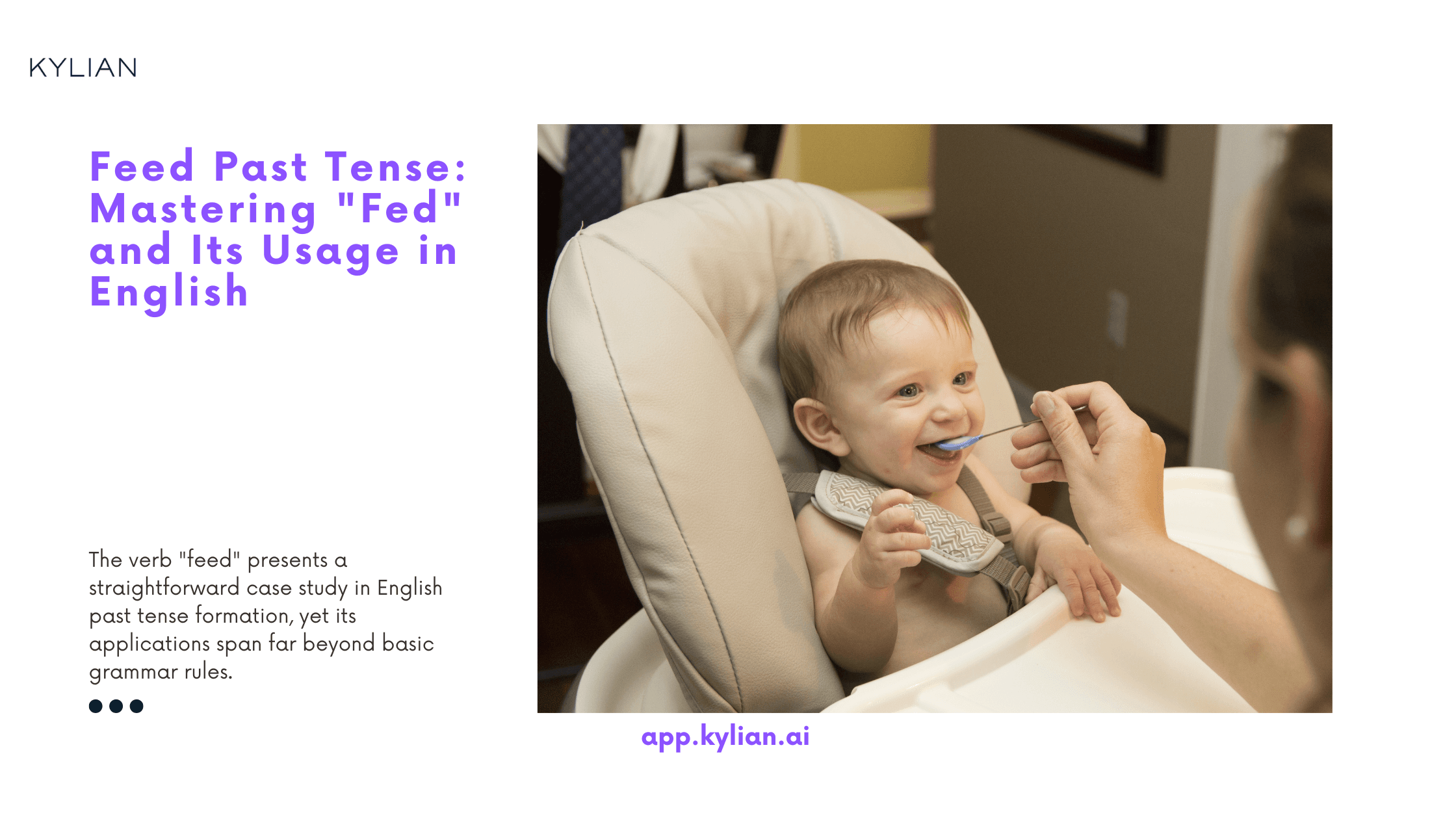
Communication precision matters. When discussing actions that occurred in the past, using the correct verb forms determines whether your message resonates with clarity or creates confusion. The verb "feed" presents a straightforward case study in English past tense formation, yet its applications span far beyond basic grammar rules.
Understanding when and how to use "fed" - the past tense of "feed" - becomes essential for anyone seeking to communicate effectively in professional, academic, or everyday contexts. The distinction between "I feed the cat daily" and "I fed the cat yesterday" carries semantic weight that influences how others interpret your timeline and intentions.
This article examines the mechanics of "feed" in past tense, explores its practical applications across various contexts, and addresses the nuanced scenarios where proper usage becomes critical for clear communication.
Understanding the Basic Past Tense of "Feed"
The verb "feed" follows an irregular conjugation pattern in English. Unlike regular verbs that simply add "-ed" to form the past tense, "feed" transforms into "fed" for both simple past and past participle forms.
Present tense: feed
Past tense: fed
Past participle: fed
Present participle: feeding
This irregularity places "feed" among approximately 200 irregular verbs in English, requiring memorization rather than rule application. The transformation from "feed" to "fed" represents a vowel change (ee → e) combined with consonant doubling, creating a pattern that native speakers internalize through exposure rather than conscious learning.
Consider these fundamental examples:
"The farmer feeds his livestock every morning" becomes "The farmer fed his livestock yesterday morning." The temporal shift from present habit to completed past action requires this specific form change.
"Parents feed their newborns throughout the night" transforms to "Parents fed their newborns throughout the night" when discussing past experiences rather than ongoing practices.
The simplicity of this transformation masks its importance. Using "feeded" instead of "fed" immediately signals non-native speaker status or grammatical uncertainty, potentially undermining credibility in professional or academic settings.
Contextual Applications of "Fed" in Different Scenarios
The past tense "fed" operates across multiple semantic domains, each carrying distinct implications for meaning and usage. Understanding these contexts prevents miscommunication and enhances precision.
Literal feeding contexts involve the physical act of providing food. "She fed the birds in the park" describes a completed action with clear temporal boundaries. This usage appears frequently in caregiving scenarios, animal husbandry, and hospitality contexts.
Figurative feeding contexts extend beyond literal nourishment. "The scandal fed public outrage" uses "fed" metaphorically to describe how information or events sustained emotional responses. This figurative application requires careful consideration of audience and context.
Technical feeding contexts emerge in specialized fields. Manufacturing processes involve "feeding materials into machines," while computing involves "feeding data into systems." These technical applications maintain the core concept of providing input while adapting to domain-specific meanings.
The choice between active and passive voice significantly impacts how "fed" functions in sentences. "The technician fed the program into the computer" emphasizes the actor's role, while "The program was fed into the computer" focuses on the action itself. Context determines which construction serves communication goals more effectively.
Professional writing often benefits from active voice constructions with "fed" because they create clearer accountability and more direct communication. Academic writing may employ passive constructions when the process matters more than the actor.
Advanced Usage Patterns and Grammatical Considerations
Past perfect constructions with "fed" require the auxiliary verb "had" to indicate actions completed before other past events. "By the time we arrived, she had already fed the guests" establishes a clear sequence of past events. This construction becomes essential when describing complex timelines or cause-and-effect relationships.
Conditional constructions involving "fed" often appear in hypothetical scenarios. "If we had fed the data correctly, the analysis would have been accurate" demonstrates how past tense forms operate within conditional frameworks. These constructions frequently appear in problem-solving discussions and post-event analyses.
Progressive past constructions combine "was/were" with "feeding" rather than using "fed" directly. "While I was feeding the dog, the phone rang" describes ongoing past action interrupted by another event. Understanding when to use "fed" versus "was feeding" depends on whether the action represents a completed event or an ongoing process.
The distinction between "fed" as simple past and "fed" as past participle becomes critical in perfect tenses and passive constructions. "I fed the cat" (simple past) differs functionally from "I have fed the cat" (present perfect) and "The cat was fed" (passive voice). Each construction serves different communicative purposes and appears in different contexts.
Common Mistakes and Correction Strategies
The most frequent error involves regularizing "feed" to "feeded." This mistake occurs because English learners often overapply regular verb patterns to irregular verbs. The correction requires memorization and consistent practice with irregular verb forms.
Confusion between "fed" and "feed" in past contexts creates temporal ambiguity. "Yesterday I feed the birds" contains a tense error that disrupts narrative flow and confuses readers about timing. Consistent tense usage throughout passages prevents such errors.
Mixing "fed" with incorrect auxiliary verbs generates additional problems. "I have feed the cat" combines present perfect structure with base form instead of past participle. The correct form "I have fed the cat" maintains grammatical consistency.
Regional dialects sometimes preserve archaic forms or create non-standard variations. While these may be acceptable in informal spoken contexts, written communication typically requires standard forms. Understanding audience expectations helps determine when flexibility is appropriate.
Professional and Academic Applications
Business communication demands precision in past tense usage. "We fed the client requirements into our development process" describes completed actions that led to current results. This type of construction appears frequently in project reports, case studies, and performance evaluations.
Technical documentation relies heavily on past tense descriptions of processes and procedures. "The system fed user inputs through validation routines" describes architectural decisions or historical system behavior. Accuracy in these contexts directly impacts user understanding and system reliability.
Academic writing uses "fed" in various contexts, from literal descriptions of research procedures to metaphorical discussions of how ideas influence theoretical development. "Previous research fed our hypothesis formation" demonstrates how past work contributes to current investigation. This usage requires careful attention to citation practices and acknowledgment of intellectual debt.
Legal contexts demand extreme precision in past tense usage. "The defendant fed false information to investigators" carries different implications than present tense formulations. Past tense constructions in legal writing often determine liability, sequence of events, and causation.
Cultural and Idiomatic Expressions with "Fed"
English contains numerous idiomatic expressions using "fed" that extend beyond literal meaning. "Fed up" indicates frustration or exhaustion with a situation. "I'm fed up with these delays" expresses emotional state rather than describing feeding action. Understanding these idiomatic uses prevents literal interpretation errors.
"Fed lines" in theatrical contexts refers to providing actors with forgotten dialogue. This specialized usage demonstrates how "fed" adapts to domain-specific meanings while maintaining its core concept of providing input or support.
Regional variations in "fed" usage reflect cultural differences in communication styles. American English tends toward more direct constructions, while British English may employ more indirect formulations. These variations rarely affect meaning but can influence stylistic appropriateness.
Digital Age Applications and Modern Usage
Technology contexts have expanded "fed" usage significantly. "Data was fed into machine learning algorithms" describes fundamental processes in artificial intelligence and data science. These technical applications require precision because they often describe automated processes where accuracy matters for system performance.
Social media contexts have created new metaphorical uses. "The controversy fed the online discussion" describes how information spreads and sustains digital conversations. These contemporary applications demonstrate language evolution while maintaining grammatical principles.
Content management systems "feed" information to various platforms, creating new technical vocabulary around data distribution and automated publishing. Understanding these modern applications helps navigate contemporary professional environments.
Feed Past Tense FAQ
What is the correct past tense of "feed"?
The correct past tense of "feed" is "fed." This irregular verb does not follow the standard pattern of adding "-ed" to form the past tense. Both the simple past and past participle forms use "fed."
Why isn't the past tense "feeded"?
"Feed" is an irregular verb, meaning it doesn't follow standard conjugation rules. English contains approximately 200 irregular verbs that must be memorized individually. "Feeded" is grammatically incorrect and immediately signals non-native speaker status.
How do I use "fed" in perfect tenses?
In perfect tenses, "fed" serves as the past participle. "I have fed the dog" (present perfect), "I had fed the dog" (past perfect), and "I will have fed the dog" (future perfect) all use "fed" as the past participle form.
What's the difference between "fed" and "was feeding"?
"Fed" indicates a completed action, while "was feeding" describes an ongoing past action. "I fed the cat" suggests the feeding is finished, while "I was feeding the cat when you called" indicates the action was in progress when interrupted.
Can "fed" be used in passive voice?
Yes, "fed" functions effectively in passive constructions. "The animals were fed at dawn" uses passive voice to emphasize the action rather than the actor. This construction appears frequently in formal and technical writing.
Are there regional differences in "fed" usage?
While the basic past tense form remains consistent across English-speaking regions, stylistic preferences may vary. American English tends toward more direct constructions, while other varieties might prefer different auxiliary verb combinations or sentence structures.
How do I avoid common mistakes with "fed"?
Focus on memorizing irregular verb forms rather than applying regular patterns. Practice with common sentence constructions, pay attention to tense consistency throughout passages, and distinguish between simple past and progressive past contexts based on whether actions were completed or ongoing.
The mastery of "fed" as the past tense of "feed" extends beyond mere grammatical correctness. It represents a fundamental building block in English communication that enables precise temporal reference and clear narrative construction. Whether describing literal feeding actions, metaphorical processes, or technical procedures, the appropriate use of "fed" signals linguistic competence and enhances communicative effectiveness.
Understanding these usage patterns, avoiding common pitfalls, and recognizing contextual applications positions speakers and writers to communicate with the precision that professional, academic, and social contexts demand. The investment in mastering irregular verb forms like "feed/fed" pays dividends across all forms of English communication.
Learn Any Language with Kylian AI
Private language lessons are expensive. Paying between 15 and 50 euros per lesson isn’t realistic for most people—especially when dozens of sessions are needed to see real progress.
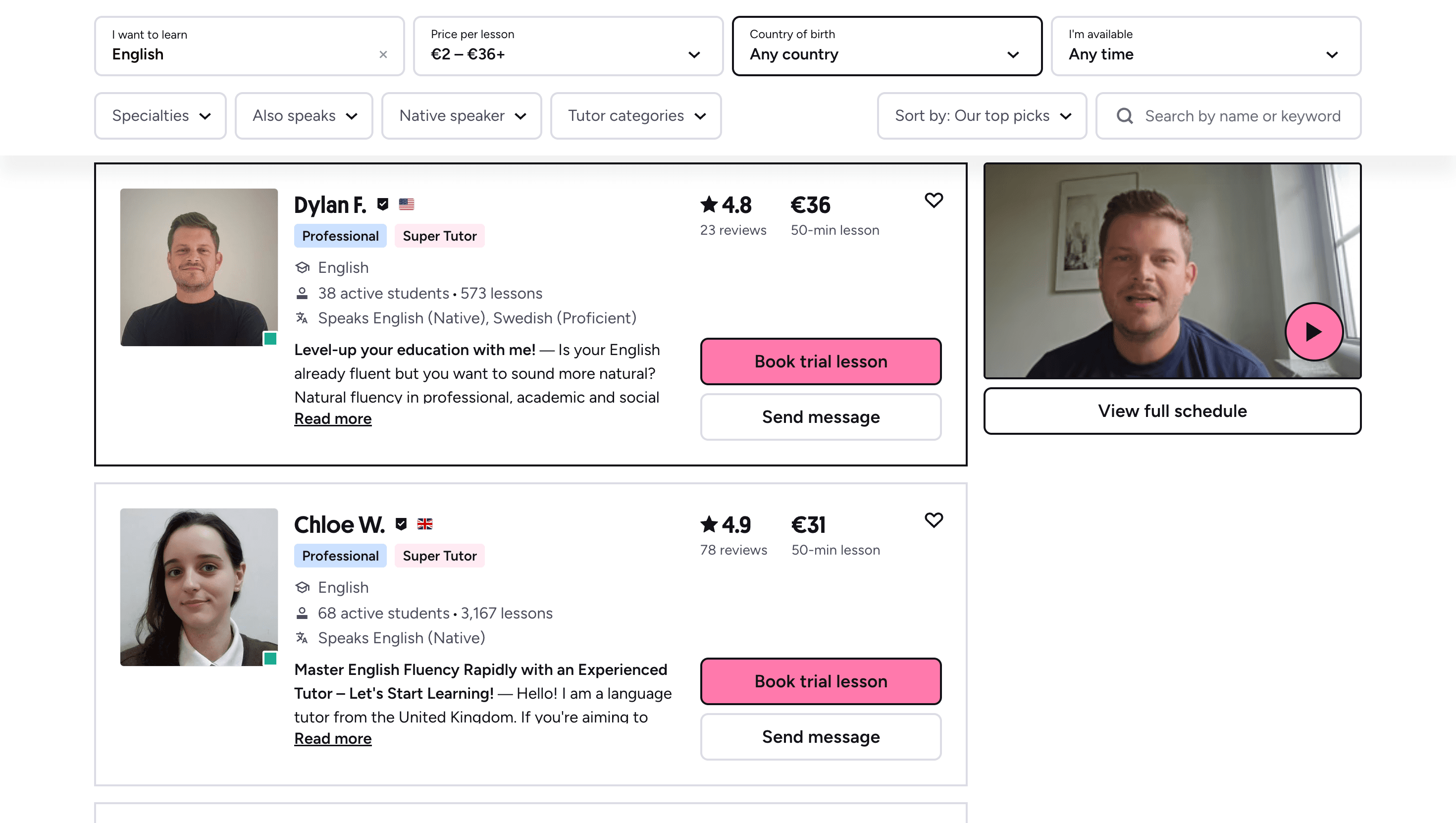
Many learners give up on language learning due to these high costs, missing out on valuable professional and personal opportunities.
That’s why we created Kylian: to make language learning accessible to everyone and help people master a foreign language without breaking the bank.
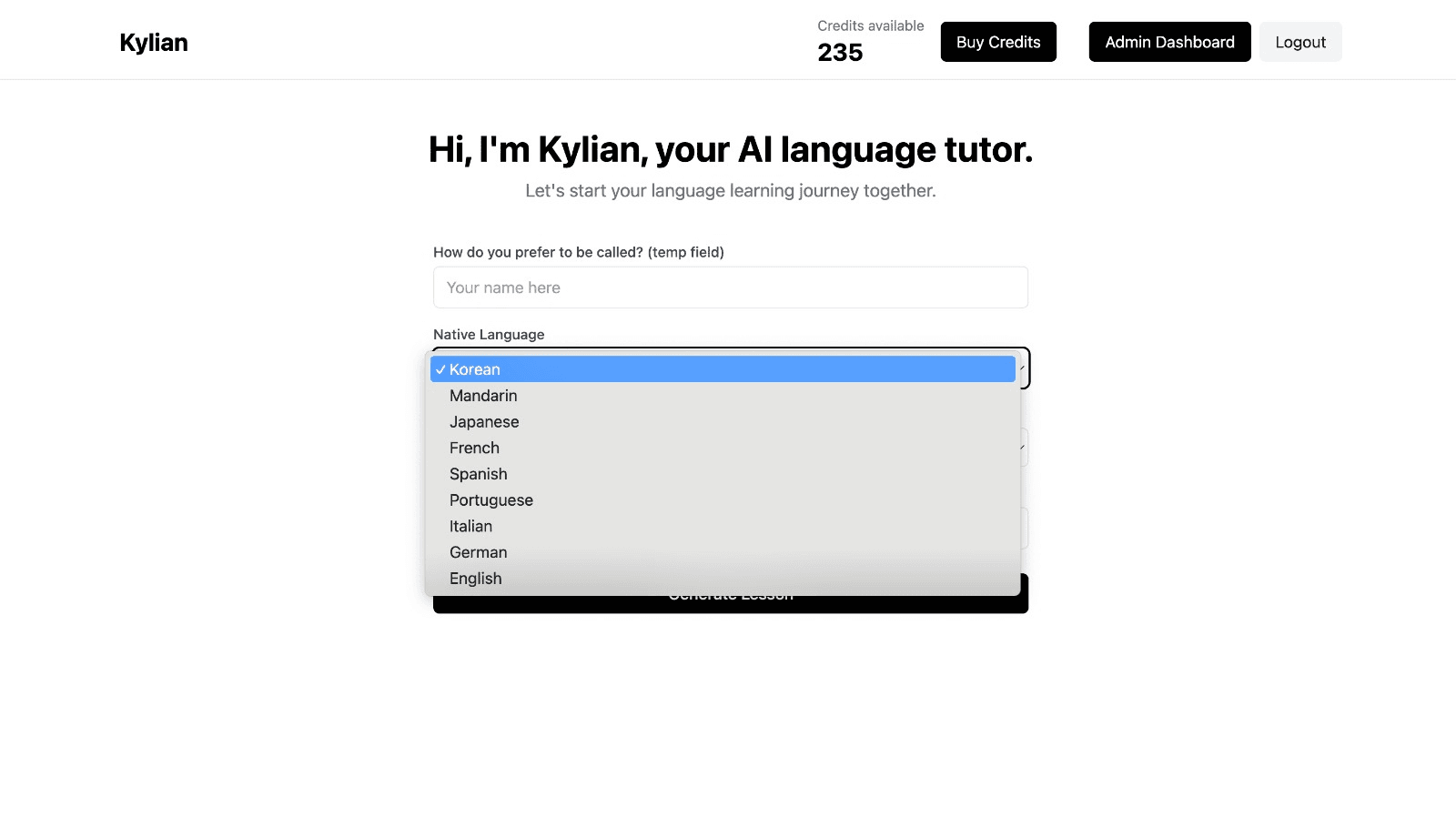
To get started, just tell Kylian which language you want to learn and what your native language is
Tired of teachers who don’t understand your specific struggles as a French speaker? Kylian’s advantage lies in its ability to teach any language using your native tongue as the foundation.
Unlike generic apps that offer the same content to everyone, Kylian explains concepts in your native language (French) and switches to the target language when necessary—perfectly adapting to your level and needs.
This personalization removes the frustration and confusion that are so common in traditional language learning.
Choose a specific topic you want to learn
Frustrated by language lessons that never cover exactly what you need? Kylian can teach you any aspect of a language—from pronunciation to advanced grammar—by focusing on your specific goals.
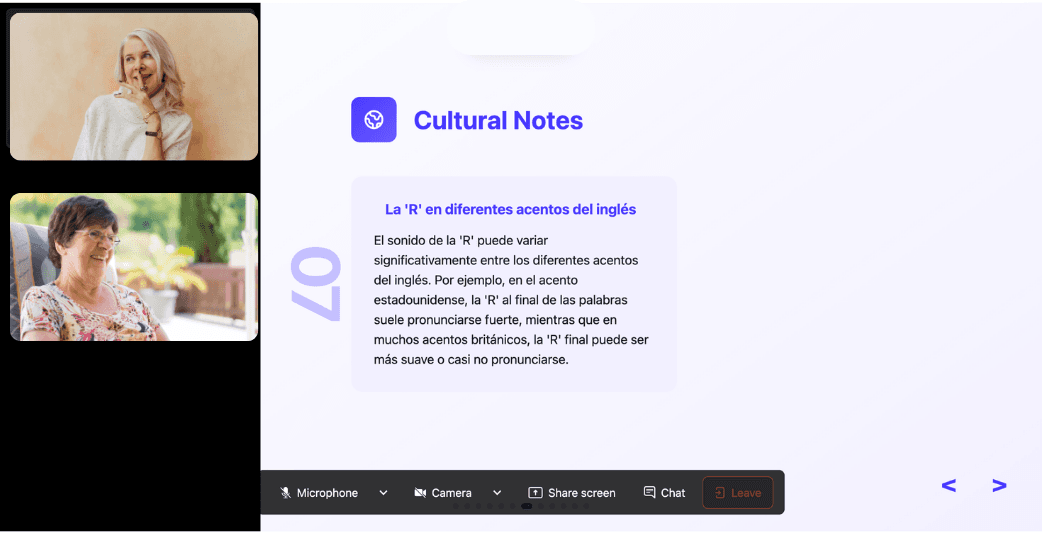
Avoid vague requests like “How can I improve my accent?” and be precise: “How do I pronounce the R like a native English speaker?” or “How do I conjugate the verb ‘to be’ in the present tense?”
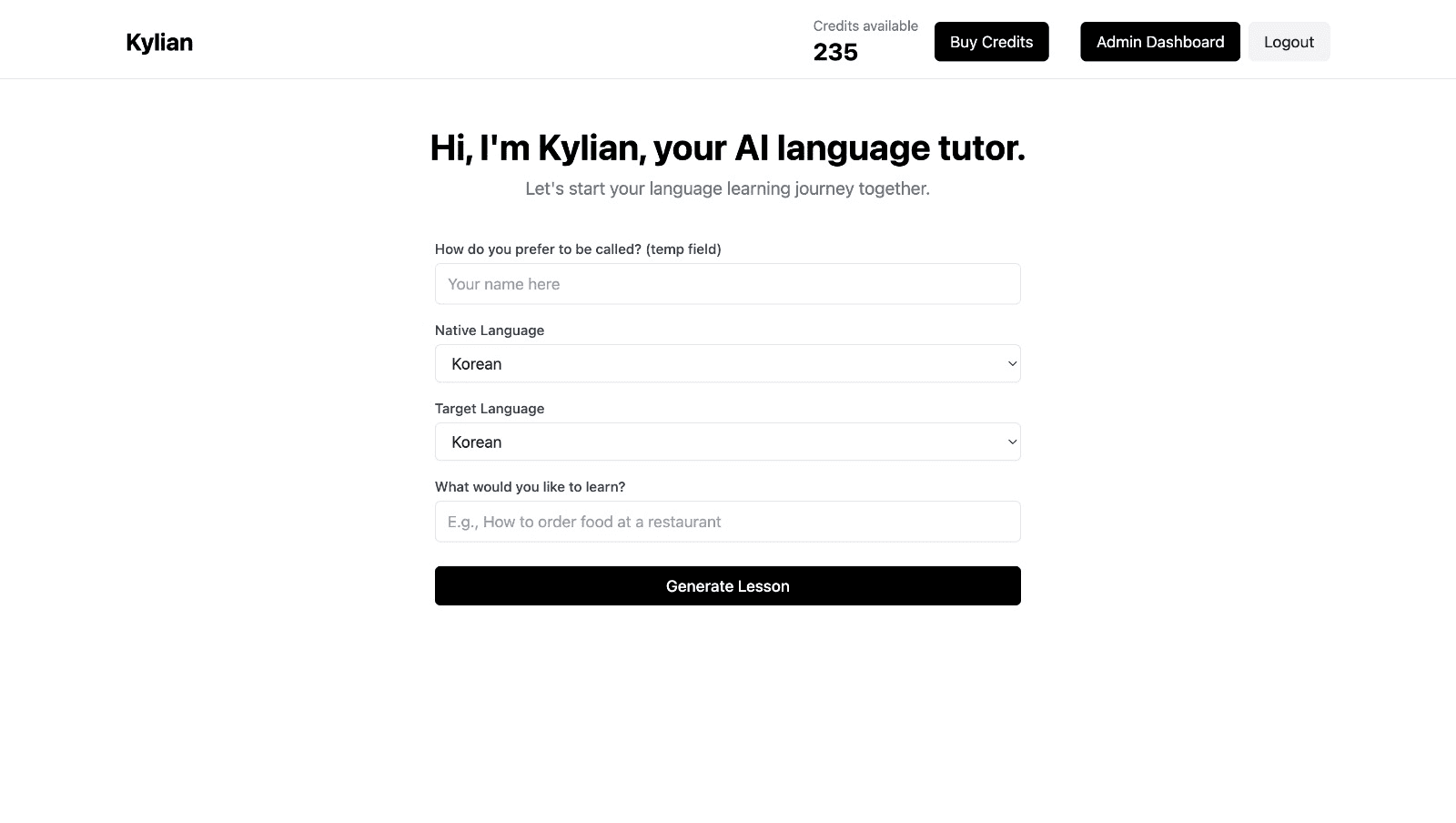
With Kylian, you’ll never again pay for irrelevant content or feel embarrassed asking “too basic” questions to a teacher. Your learning plan is entirely personalized.
Once you’ve chosen your topic, just hit the “Generate a Lesson” button, and within seconds, you’ll get a lesson designed exclusively for you.
Join the room to begin your lesson
The session feels like a one-on-one language class with a human tutor—but without the high price or time constraints.
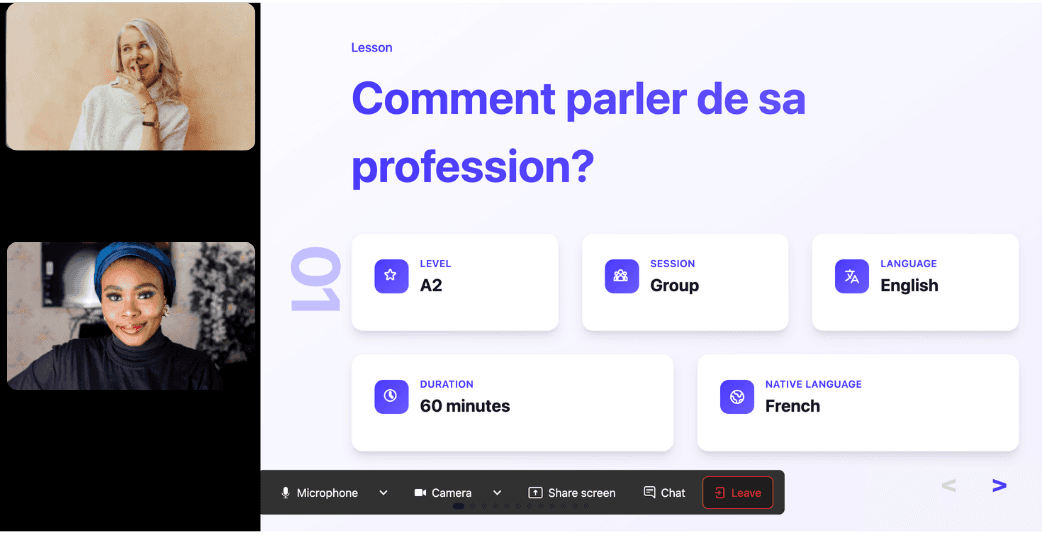
In a 25-minute lesson, Kylian teaches exactly what you need to know about your chosen topic: the nuances that textbooks never explain, key cultural differences between French and your target language, grammar rules, and much more.

Ever felt frustrated trying to keep up with a native-speaking teacher, or embarrassed to ask for something to be repeated? With Kylian, that problem disappears. It switches intelligently between French and the target language depending on your level, helping you understand every concept at your own pace.
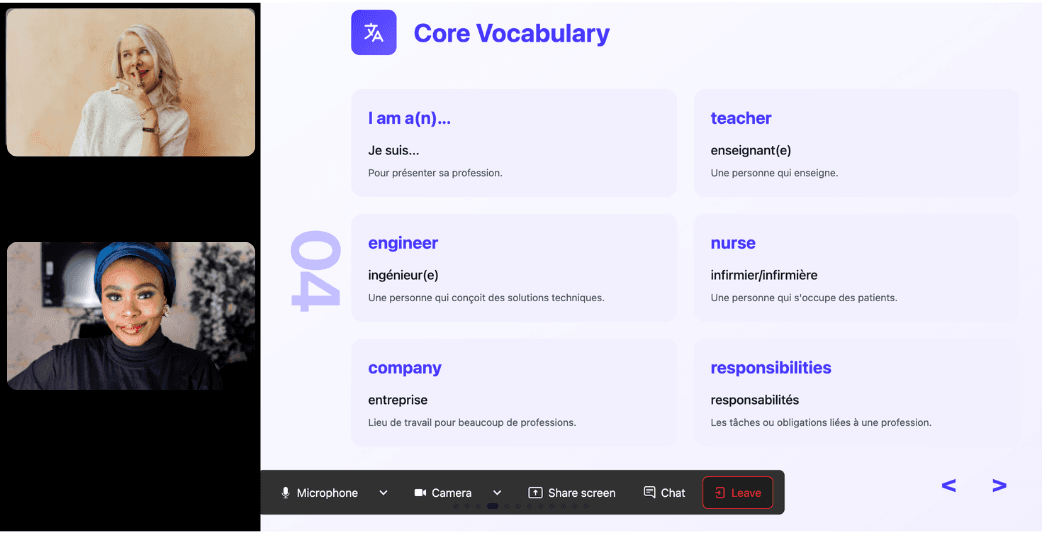
During the lesson, Kylian uses role-plays, real-life examples, and adapts to your learning style. Didn’t understand something? No problem—you can pause Kylian anytime to ask for clarification, without fear of being judged.
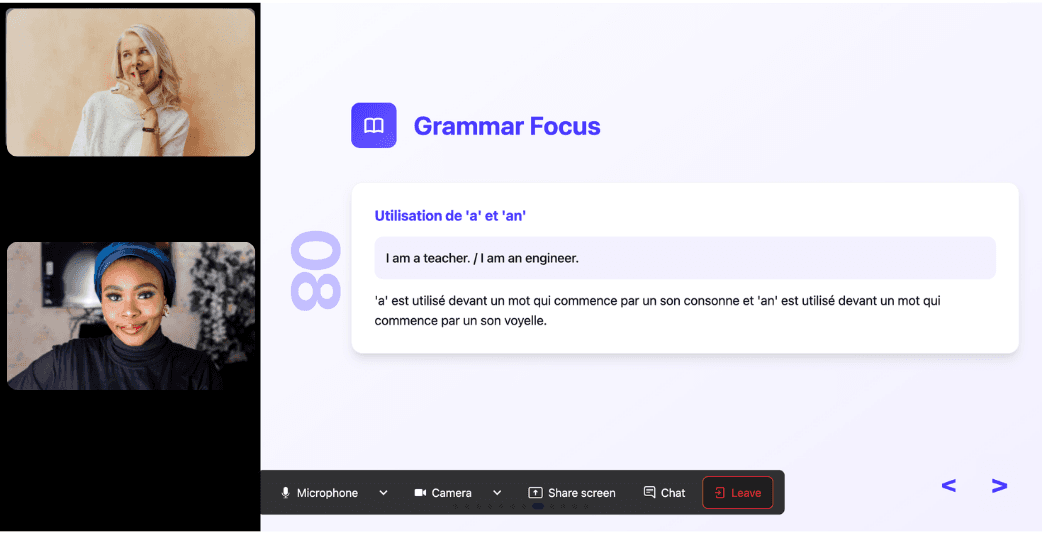
Ask all the questions you want, repeat sections if needed, and customize your learning experience in ways traditional teachers and generic apps simply can’t match.

With 24/7 access at a fraction of the cost of private lessons, Kylian removes all the barriers that have kept you from mastering the language you’ve always wanted to learn.